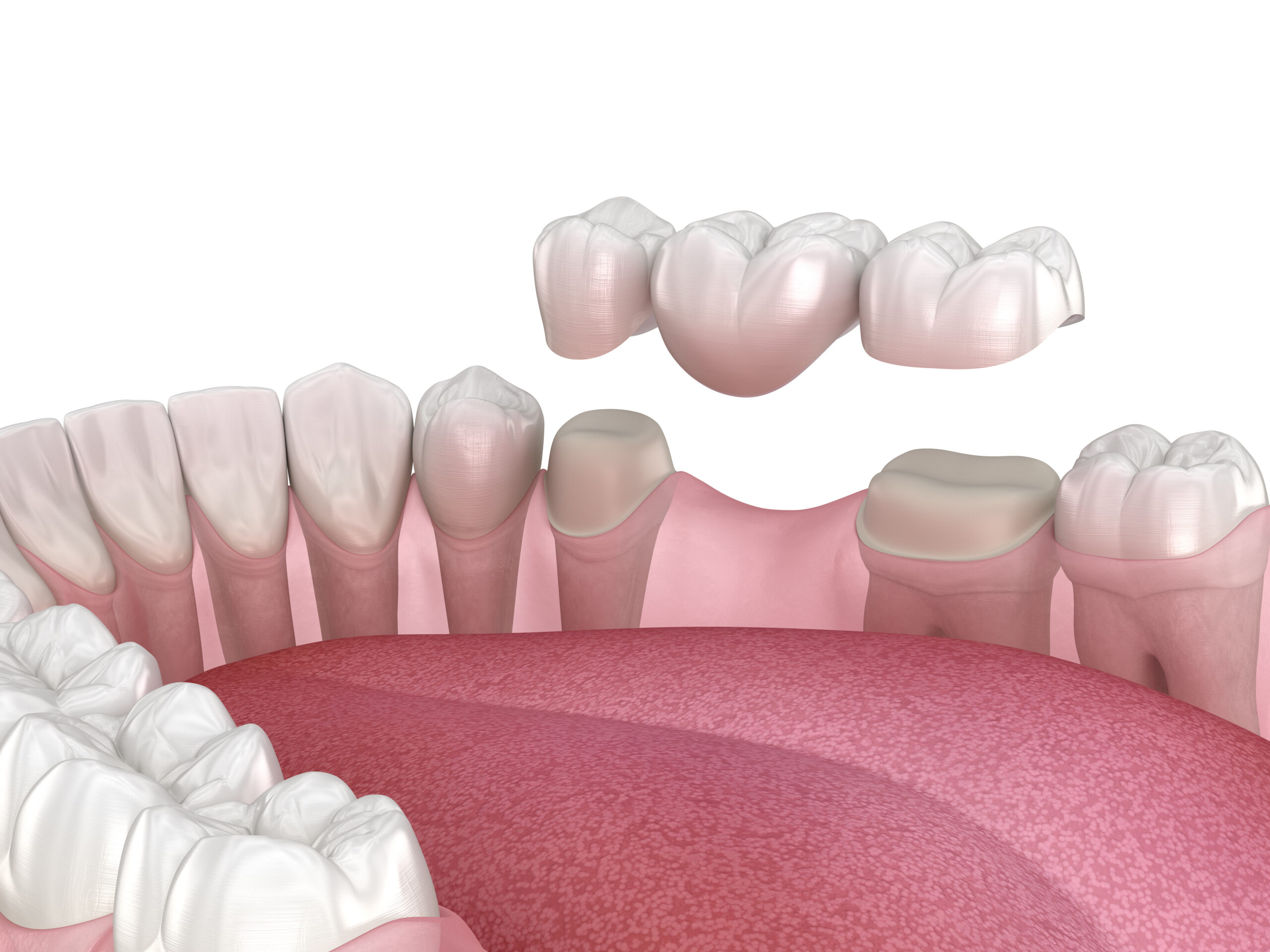
At Baseside Dental Office in Fussa, Tokyo, we offer dental bridges as one option for replacing one or more missing teeth. A bridge spans the gap left by a missing tooth by anchoring an artificial tooth (called a pontic) to the natural teeth on either side.We take care to recommend a bridge only when it is genuinely the most appropriate option for the patient’s situation.
For patients who are also considering implants or dentures, we provide a thorough comparison of all available options before any treatment decision is made.
Table of Contents
What Makes Our Bridge Treatment Different
Careful Case Selection
A dental bridge is not the right solution for every missing tooth. The suitability of a bridge depends on the health and condition of the teeth on either side of the gap, the number of missing teeth, and the bite forces in that area of the mouth. We evaluate all of these factors using CT imaging and intraoral scans before making a recommendation.
We don’t recommend bridges as a reflexive default. We recommend them when the clinical situation genuinely supports it — and we’re honest when a different option might serve you better over the long term.
Comparing Bridges with Implants and Dentures
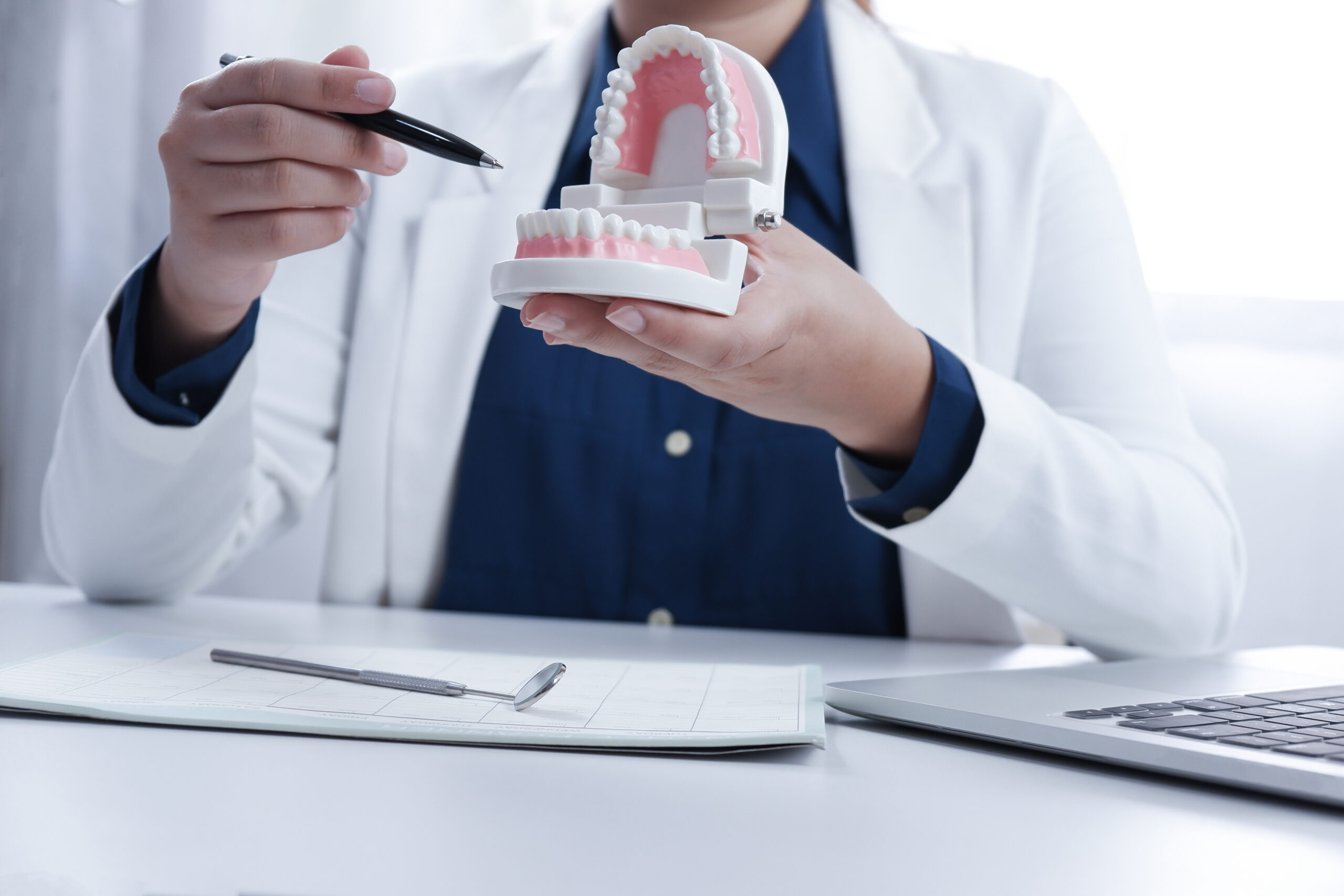
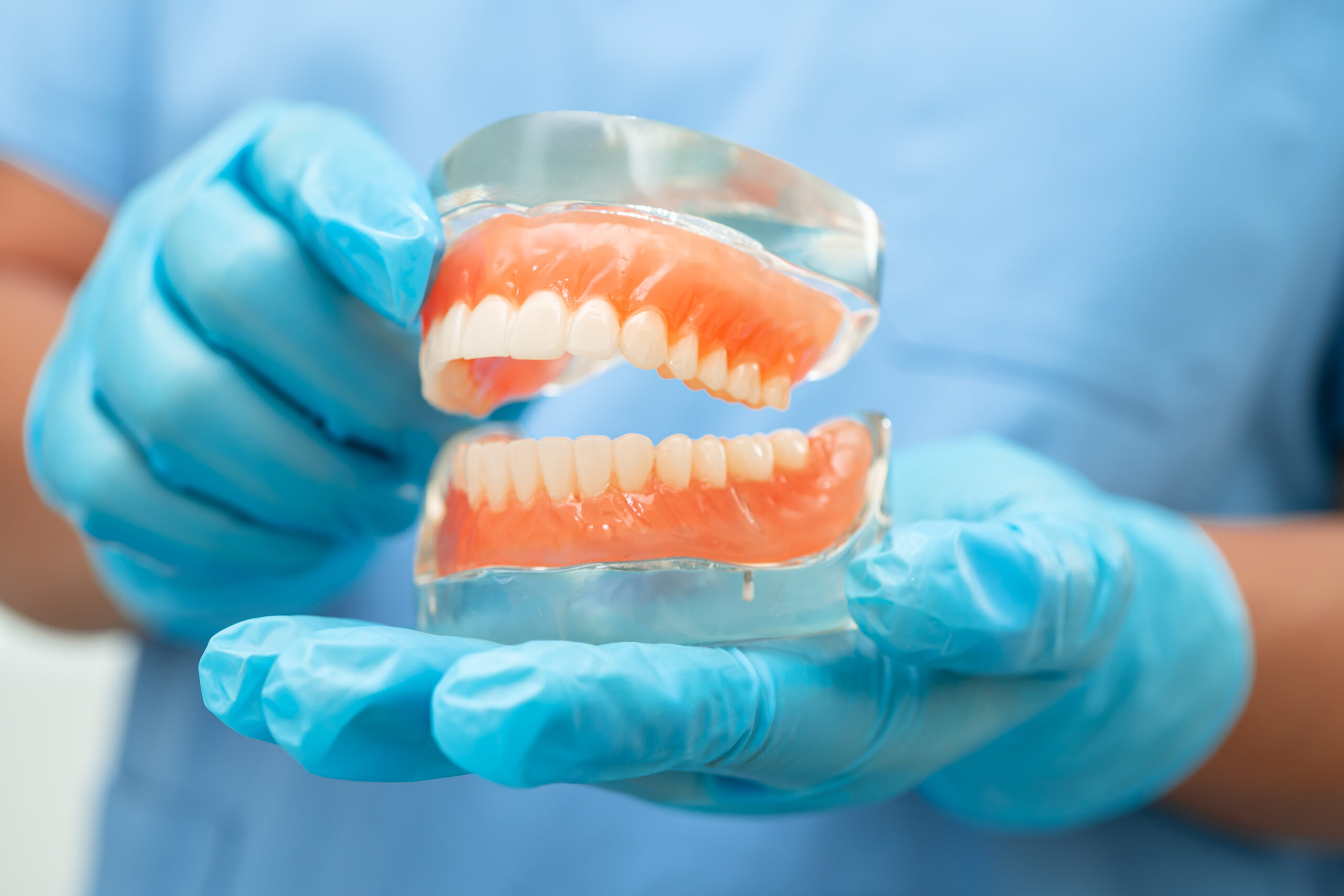
Missing teeth can be replaced in several ways. We believe patients deserve a clear, unbiased explanation of every available option — including implants, bridges, and dentures — so that the choice they make is genuinely informed.
For patients in good health with adequate bone volume, an implant is often the preferred long-term option because it replaces the tooth root and does not require modification of adjacent teeth. A bridge, however, may be a better fit for patients with systemic health conditions, insufficient bone for implant placement, or a strong preference to avoid surgery.
When Is a Bridge a Good Option?

A bridge works well when the teeth on either side of the gap are already in need of crowns, or when they have existing large restorations that require coverage anyway. In these cases, the impact on the adjacent teeth is reduced because they would be modified regardless.
Bridges may also be preferable for patients who are not candidates for implants due to bone loss, systemic health conditions (such as uncontrolled diabetes or osteoporosis), or medications that affect bone healing. We will always discuss the full picture before recommending one approach over another.
Risks & What to Expect
The most significant consideration with a dental bridge is that healthy tooth structure must be removed from the supporting teeth (abutments) to accommodate the crown portion of the bridge. This is an irreversible change and should be weighed carefully. This may cause temporary tooth sensitivity for a few days. If the pain does not resolve, root canal treatment may become necessary.
The space beneath the pontic (artificial tooth) is difficult to clean with regular floss, and inadequate cleaning in this area can lead to gum inflammation or decay on the supporting teeth over time. We recommend super floss or a water flosser for patients with bridges, and regular professional cleaning is important.

Frequently Asked Questions
Should I get a bridge or an implant?
The right answer depends on a number of factors — the health of your adjacent teeth, the bone volume at the missing tooth site, your general health, and your goals. We’ll give you an honest recommendation and explain our reasoning clearly.
Will healthy teeth need to be cut down?
Yes — the teeth on either side of the gap must be prepared (reduced in size) to accommodate the crown portion of the bridge. This is worth considering carefully. If those teeth are currently healthy and unrestored, an implant may be a better long-term option.
How do I clean under a bridge?
Regular floss cannot pass beneath a bridge in the usual way. We recommend super floss, interdental brushes, or a water flosser to clean the area under the pontic. We’ll show you the technique at your bridge delivery appointment.