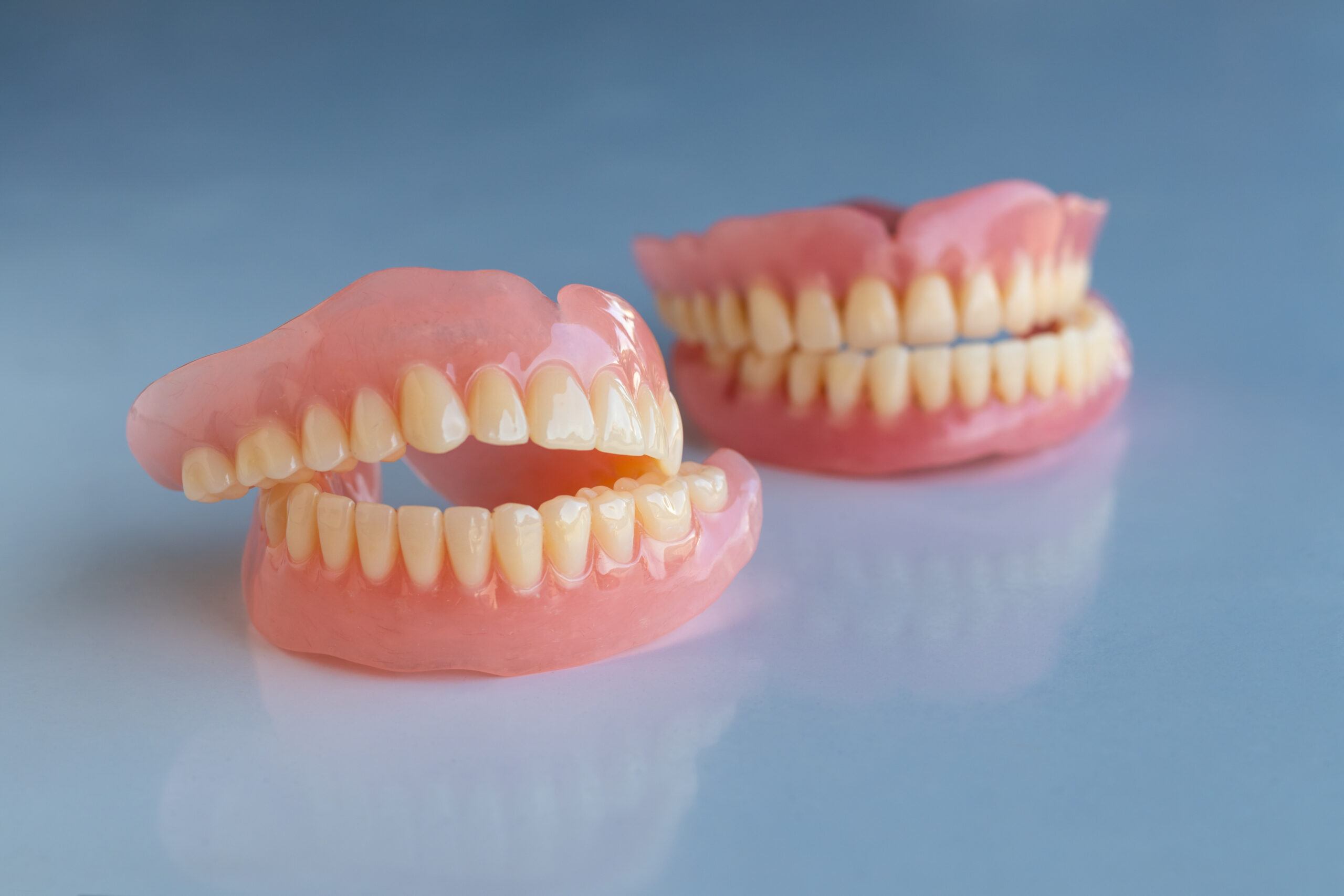
At Baseside Dental Office in Fussa, Tokyo, we provide custom-fabricated dentures for patients who have lost multiple teeth or all of their teeth. Whether you need a complete denture to replace an entire arch or a partial denture to fill gaps alongside remaining natural teeth, we work through the fabrication process carefully to achieve the best possible fit and function.
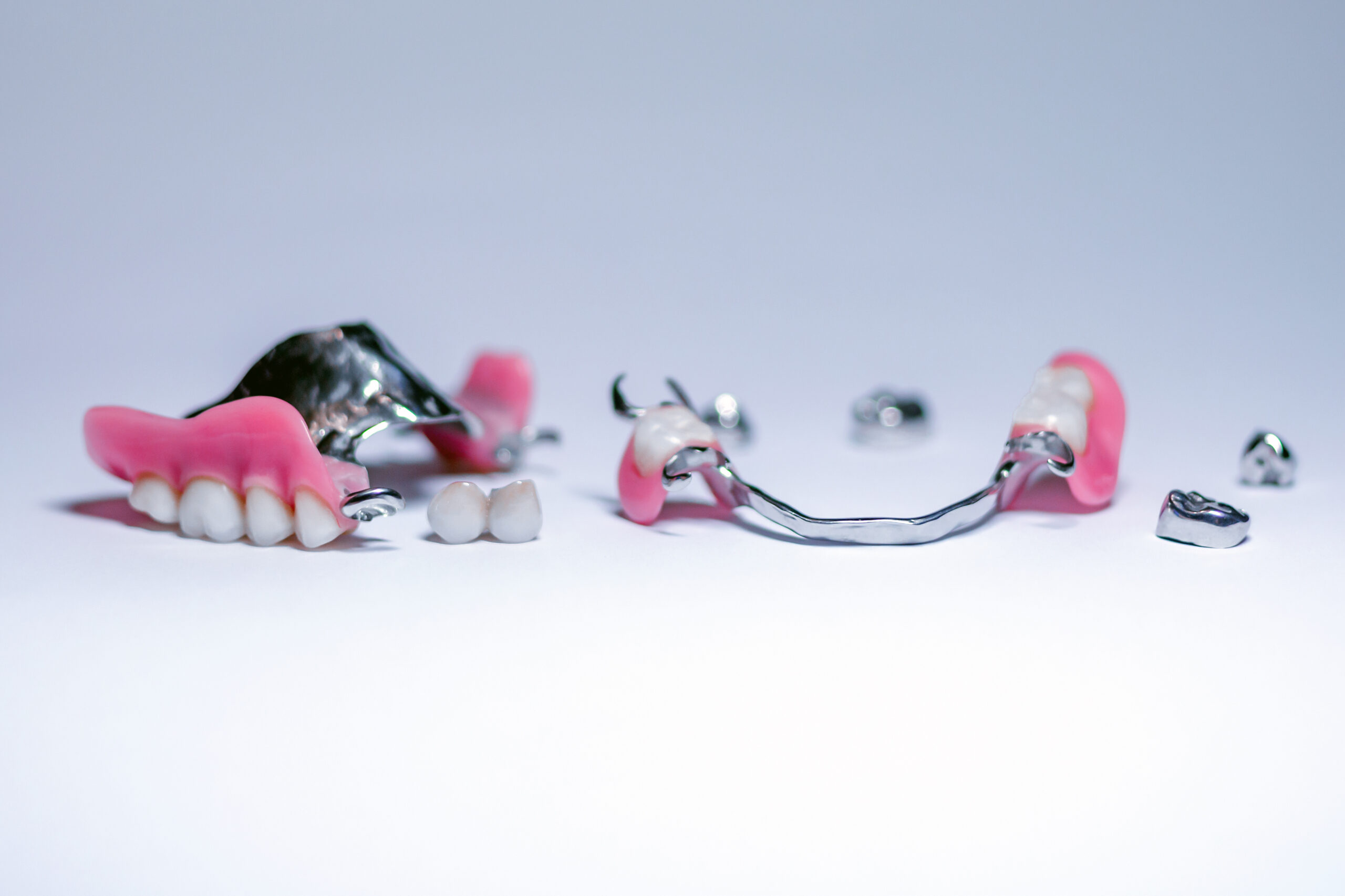
We offer dentures in three material types — resin base, metal framework, and non-clasp — and we take time to explain the characteristics of each option so you can make an informed choice. For patients considering implants or bridges as alternatives, we provide a full comparison before any decision is made.
Table of Contents
What Makes Our Denture Treatment Different
Full and Partial Denture Coverage
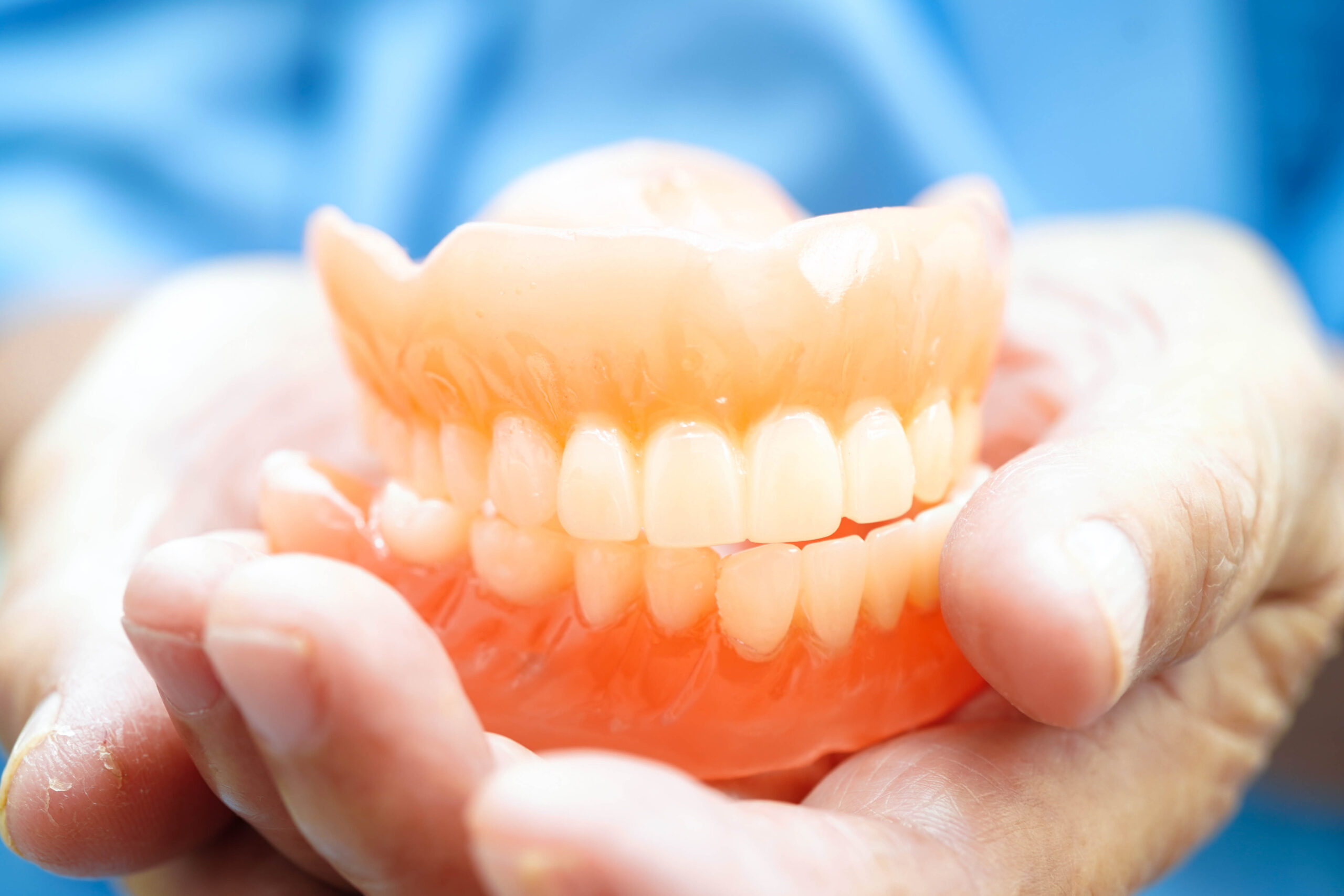
We fabricate both complete dentures — for patients who have no remaining teeth in an arch — and partial dentures for patients who still have some natural teeth. The design of the denture depends on which teeth remain, where they are located, and how they can best support or retain the prosthesis.
Honest Comparison with Implants and Bridges
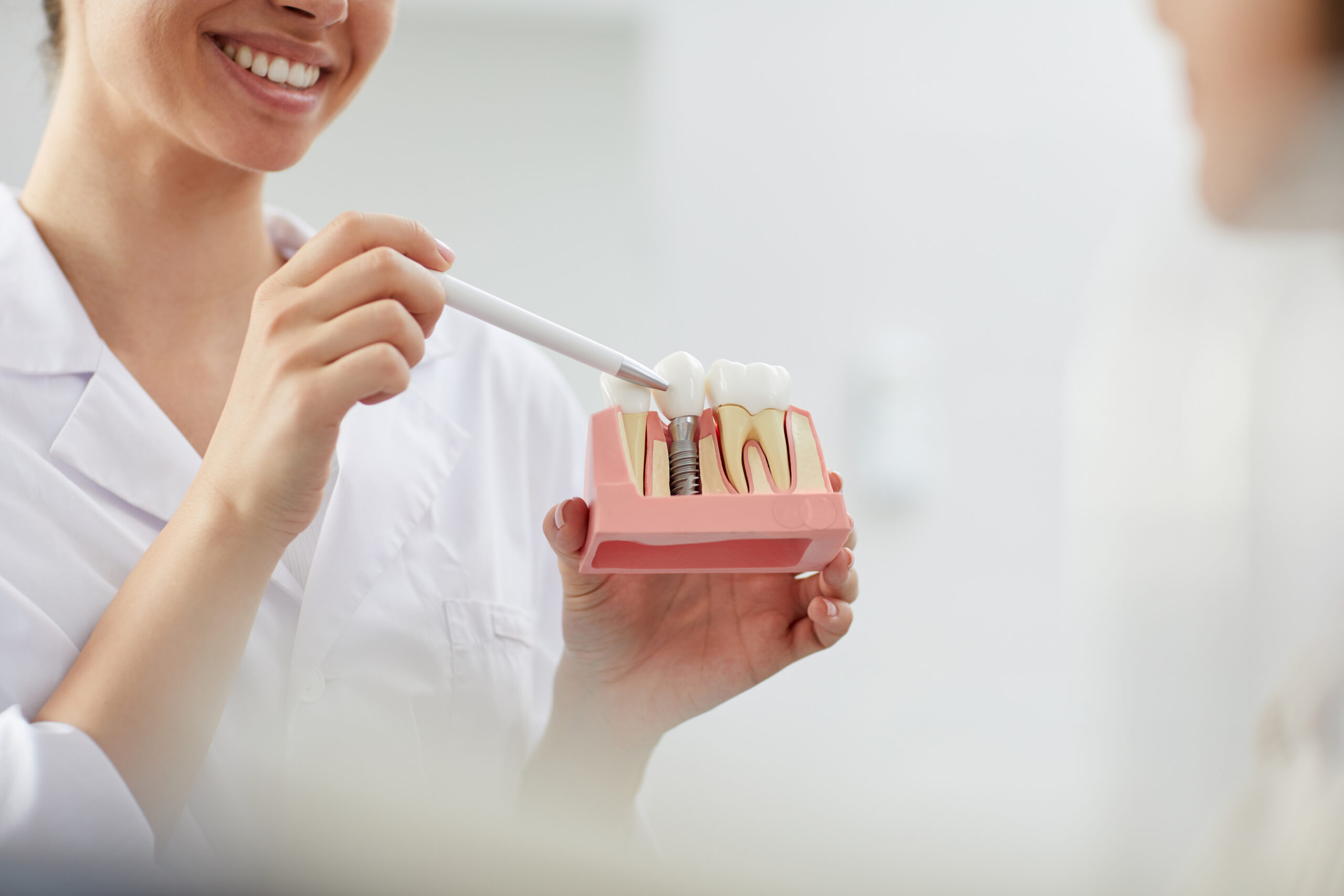
Dentures are a practical solution for many patients, but they are not the only one. Depending on your bone volume, general health, and goals, implants or a bridge may provide better long-term function and stability.
For patients who are not good candidates for implants — due to systemic health conditions, significant bone loss, or personal preference — dentures remain an important and effective option. We present all available options without bias and support whatever choice you make.
Adjustment Policy
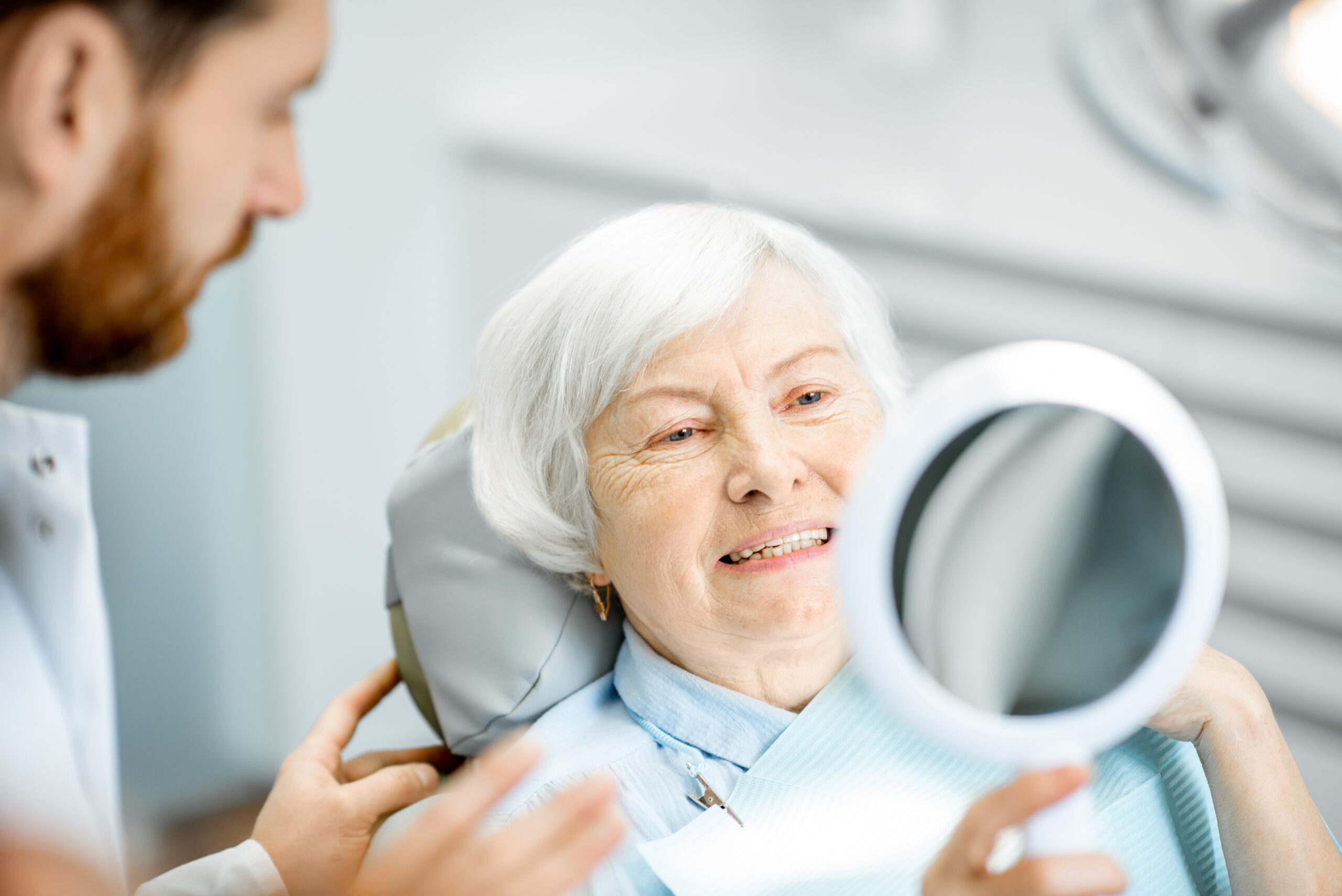
A new denture almost always requires adjustment after delivery. The oral tissues need time to adapt, and small pressure points or bite discrepancies often don’t become apparent until the denture has been worn for a few days.
How Dentures Compare with Other Options
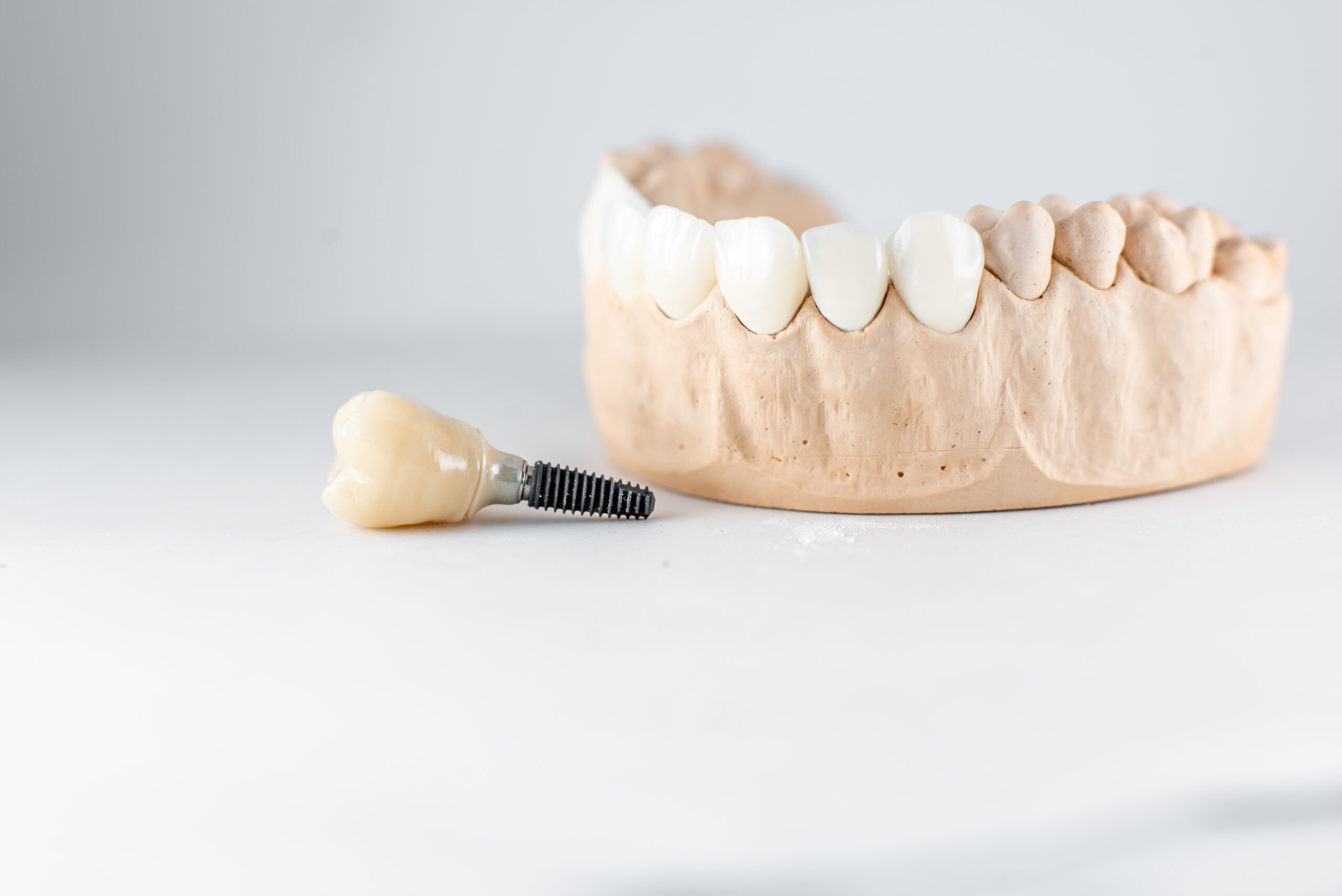
Dentures are removable — they are taken out for cleaning and at night (in most cases). This is different from implants and fixed bridges, which remain in the mouth permanently.
The main advantages of dentures are that they require no surgery and can be fabricated relatively quickly. For patients who cannot or do not wish to undergo surgery, dentures are often the most practical path to restoring appearance and function.
The main limitations are that dentures rely on the gums and bone for support, which can shift over time, and they generally provide less biting force and stability than implants. For patients who want implant-level stability with a removable prosthesis, implant-supported dentures (such as All-on-X) may also be worth discussing.
Risks & What to Expect
The fit of a denture can change over time as the underlying bone and gum tissue change — this is particularly common in patients who had teeth extracted recently, as the healing process causes significant ridge resorption. Periodic relining or rebasing of the denture may be needed to maintain a proper fit.
If a denture breaks, please bring it in as soon as possible rather than attempting to repair it yourself. We’ll assess whether it can be repaired or needs to be remade.
Frequently Asked Questions
My denture is uncomfortable. Can you adjust it?
Yes. If it was made elsewhere, please schedule a consultation — we can often help with adjustments or modifications.
What’s the difference between a resin and a metal-framework denture?
A metal-framework partial denture uses a rigid cast metal base, which makes it thinner, stronger, and often more stable than a resin-only denture. The tradeoff is cost. For many patients, the difference in comfort is significant.
Do I need to take my denture out at night?
For most patients, yes. Removing the denture at night allows the gum tissue to rest and reduces the risk of fungal overgrowth. We’ll give you specific guidance at your delivery appointment.
What if my denture breaks?
Bring it in as soon as you can — preferably in pieces, if it has fractured. Depending on the damage, repair may be possible. Please don’t attempt home repairs with adhesives, as this can make the fracture harder to fix properly.