
At Baseside Dental Office in Fussa, Tokyo, we use a deprogrammer as a diagnostic tool to evaluate the relationship between your jaw joint position and your bite. A deprogrammer is a small acrylic appliance worn over the teeth that allows the jaw muscles to relax and the temporomandibular joints (TMJ) to settle into their most stable, unstrained position. This position is known as centric relation.
Understanding the relationship between centric relation and your habitual bite is important clinical information. It does not fix anything on its own — but what it reveals can guide treatment decisions in a meaningful way.
Table of Contents
What Makes Our Approach Different
The Deprogrammer as a Diagnostic Tool — Not a Treatment
This distinction matters, and we want to be clear about it from the start. A deprogrammer does not correct your bite. It does not treat TMJ disorder. It is a device that helps us determine whether the position your jaw naturally assumes when your teeth come together — your habitual occlusion — corresponds to the position your joints are most comfortable in.
If these two positions are significantly different, there may be consequences: early tooth contacts that place excessive force on certain teeth, compensatory muscle tension, accelerated wear, or joint loading. The deprogrammer gives us the data to assess whether this is happening — and if so, by how much.
This evaluation is the same in principle as a CT scan or a set of X-rays. The device produces diagnostic information. What we do with that information is a separate discussion.

CT and Intraoral Scanning for Comprehensive Jaw Evaluation
We combine deprogrammer assessment with CT imaging and intraoral scanning to build a complete picture of your jaw joint anatomy and bite relationship.
The CT scan allows us to visualize the condylar position, joint space, and any bony changes to the TMJ in three dimensions. The intraoral scanner captures the occlusal relationship digitally, allowing us to compare bite records taken with and without the deprogrammer in place.
This multi-modal approach gives us far more information than clinical observation alone, and makes our diagnostic conclusions more reliable.
The Connection Between Bite Discrepancies and Dental Problems
When the jaw joint’s most stable position and the habitual bite do not coincide, the teeth experience asymmetric loading. Over time, this can contribute to wear patterns that don’t correspond to normal function, fractures in teeth or restorations that seem to fail without obvious cause, recurrent dislodgement of fillings, and symptoms of TMJ disorder such as clicking, popping, or restricted opening.
Patients who grind or clench their teeth (bruxism) are particularly vulnerable to the compounding effects of an unstable occlusion. We discuss the relationship between bruxism and bite discrepancies openly — because treating one without understanding the other often produces incomplete results.
Proactive Screening — Even Without Symptoms
TMJ and occlusal problems often develop gradually and silently. Patients may have significant bite discrepancies without any jaw pain, and may attribute their worn or broken teeth to aging or bad luck rather than to a mechanical problem that can be identified and managed.
When clinical signs suggest that an occlusal evaluation is warranted — excessive tooth wear, a pattern of repeatedly failing restorations, signs of bruxism — we may recommend deprogrammer assessment as part of a more thorough evaluation, even if the patient reports no symptoms. We believe that early identification leads to better long-term outcomes.
What Is a Deprogrammer?
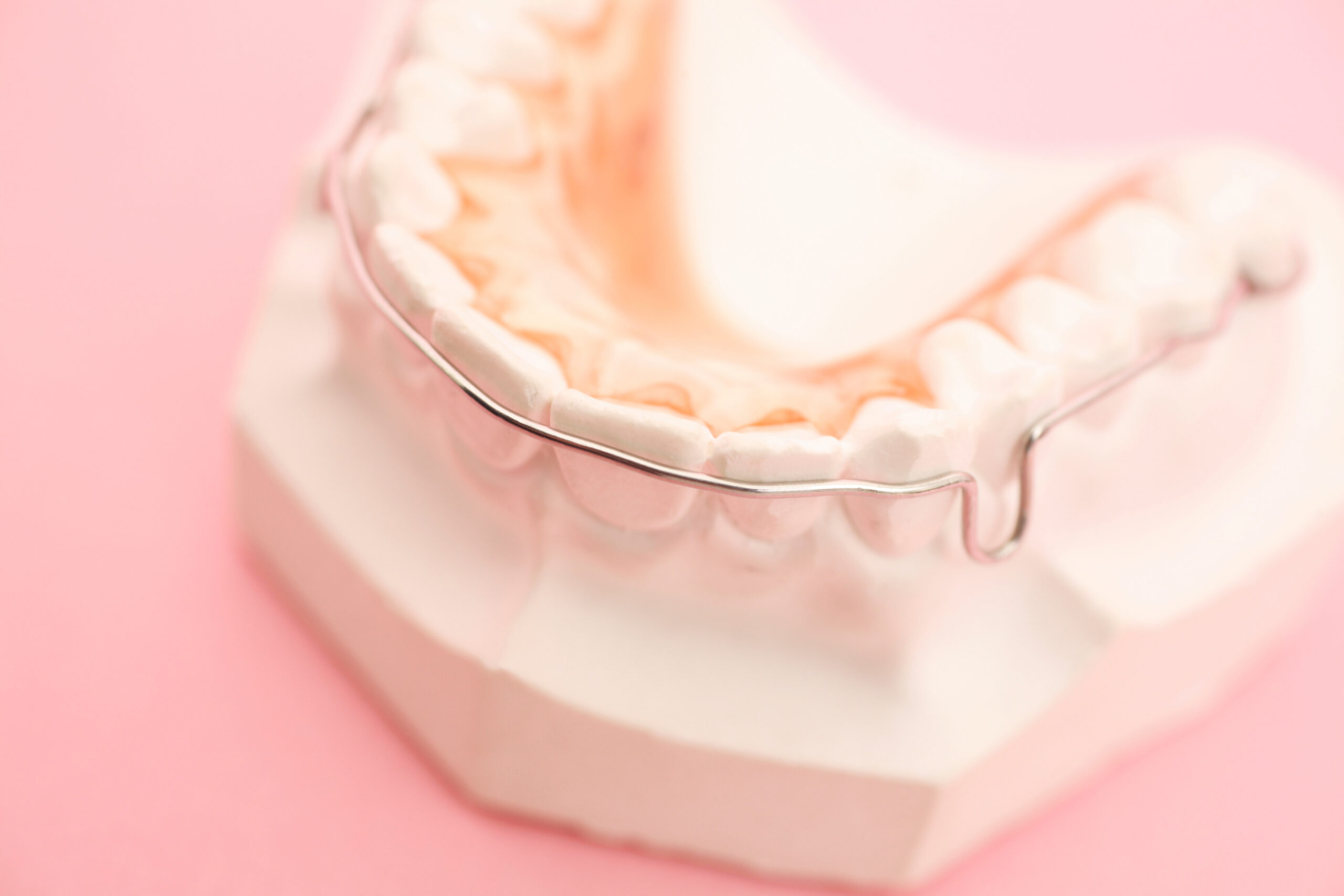
A deprogrammer is a small, flat acrylic platform that is bonded or fitted to a small number of teeth — typically the upper front teeth. When worn, it prevents the posterior teeth from contacting, which allows the muscles of mastication to relax fully and the condyles to seat in centric relation without the guidance of habitual tooth contacts.
After two to four weeks of nightly wear — with weekly check-ins — the muscles are sufficiently deprogrammed that we can accurately record centric relation and compare it to the habitual bite. The difference between these two positions — if any — is the key piece of diagnostic information we are looking for.
The deprogrammer is not a long-term appliance. It is used for a defined period for a specific diagnostic purpose, and then the information it provides informs the next step.
Who May Benefit from Deprogrammer Evaluation?
We consider deprogrammer assessment for patients who present with one or more of the following:
- Symptoms of TMJ disorder: jaw clicking or popping, pain on opening, limited range of motion, morning jaw stiffness
- Unexplained or excessive tooth wear that does not correspond to normal occlusal function
- Restorations that fracture or dislodge repeatedly without a clear mechanical explanation
- Clinical or historical evidence of significant bruxism
- Patients planning complex restorative treatment where establishing a stable occlusal baseline is important
Patients without symptoms may also be evaluated when clinical findings suggest a significant discrepancy between habitual bite and centric relation.

How the Process Works
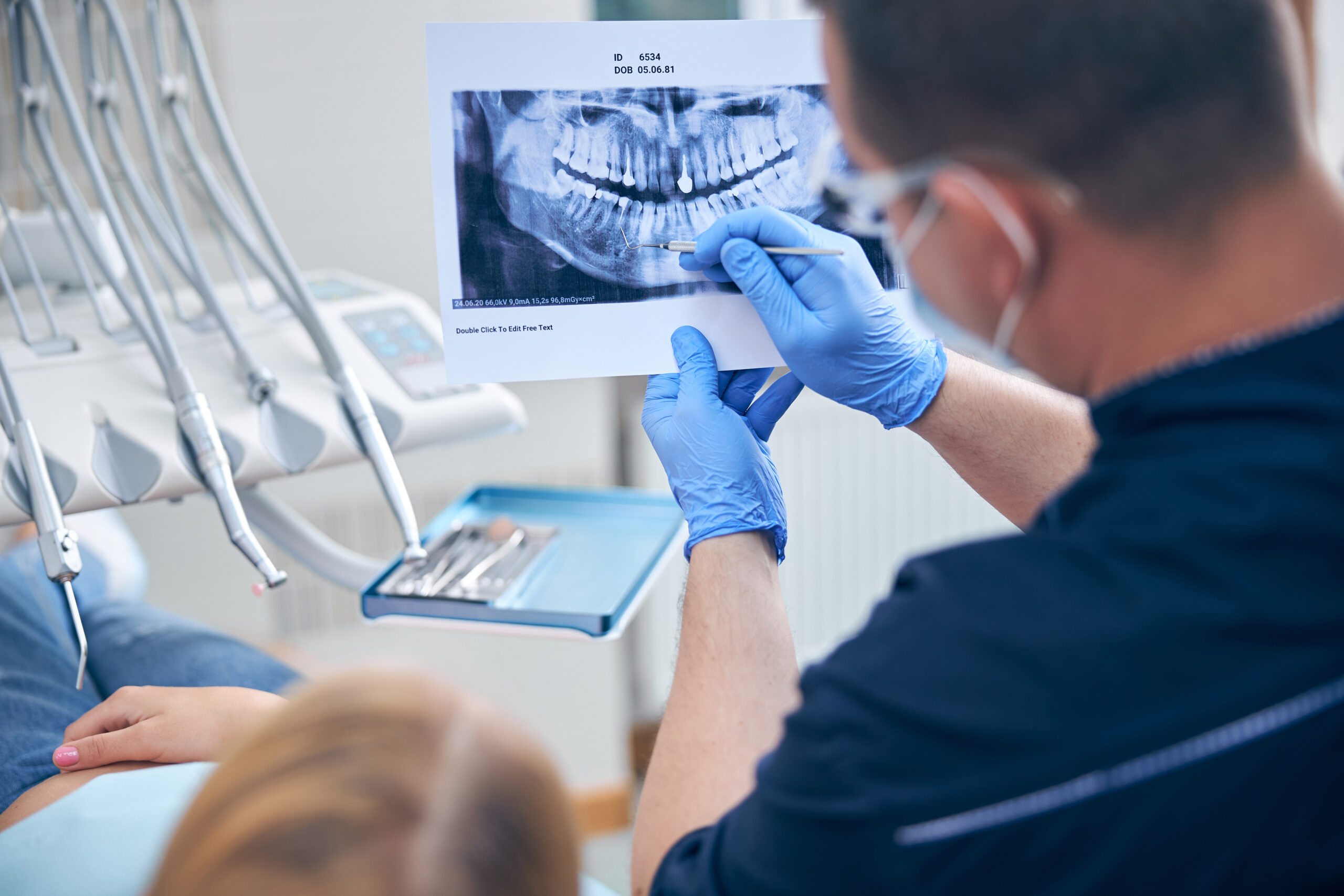
Your first appointment includes a full diagnostic record: clinical photographs, CT scan, and intraoral scan. A deprogrammer is then fabricated — custom-fitted to your specific occlusion — and delivered at a subsequent appointment with detailed instructions for use.
The deprogrammer is worn at night. Weekly check-in appointments are scheduled over a period of approximately four weeks to monitor muscle relaxation and condylar seating. When the joint position has stabilized, we take a centric relation record and compare it to your existing bite relationship.
What Happens After Evaluation?

If the evaluation reveals a significant discrepancy between centric relation and the habitual bite, we discuss the findings with you and consider what — if anything — should be done about it. Possible next steps may include occlusal equilibration (selective adjustment of tooth contacts), a long-term stabilization splint, or factoring the centric relation position into future restorative treatment planning.
If the evaluation finds little or no discrepancy, that is also useful information — and we will share it with you.
Not every bite discrepancy requires intervention. The clinical significance depends on its magnitude, the patient’s symptoms, and their restorative history. Our job is to present the data accurately and help you make an informed decision.
Risks & What to Expect
The deprogrammer may feel unusual when first placed, and some patients experience increased salivation for the first few days. These effects are temporary. The appliance is worn at night and is not used during eating.
Because the deprogrammer creates a temporary change in how the teeth contact, some patients notice a slight difference in their bite during the daytime wear period. This resolves when the appliance is no longer in use.
Frequently Asked Questions
Will the deprogrammer fix my bite?
No. The deprogrammer is a diagnostic device — it gives us information about your jaw joint position and how it relates to your bite. It does not correct anything on its own. Any treatment decisions are made after the evaluation is complete.
My jaw clicks and hurts. Will this help?
Deprogrammer evaluation is a reasonable starting point for patients with TMJ symptoms. However, it is a diagnostic step — the information it produces may indicate a treatment path, but the deprogrammer itself is not the treatment. Please contact us to discuss your specific symptoms.
Do I need a deprogrammer even if I have no symptoms?
Not necessarily. We recommend deprogrammer evaluation selectively — based on clinical signs such as tooth wear, failing restorations, or evidence of bruxism. If these findings are present, an evaluation can provide useful information even in the absence of pain.
Is a deprogrammer the same as a night guard?
No. A night guard is a protective appliance designed to reduce the impact of bruxism on teeth and joints during sleep. A deprogrammer is a short-term diagnostic device used to assess jaw joint position. They serve different purposes.
How long do I wear the deprogrammer?
Typically around four weeks, with weekly monitoring appointments. The exact duration depends on how quickly the jaw muscles relax and the condyles settle into a repeatable position.