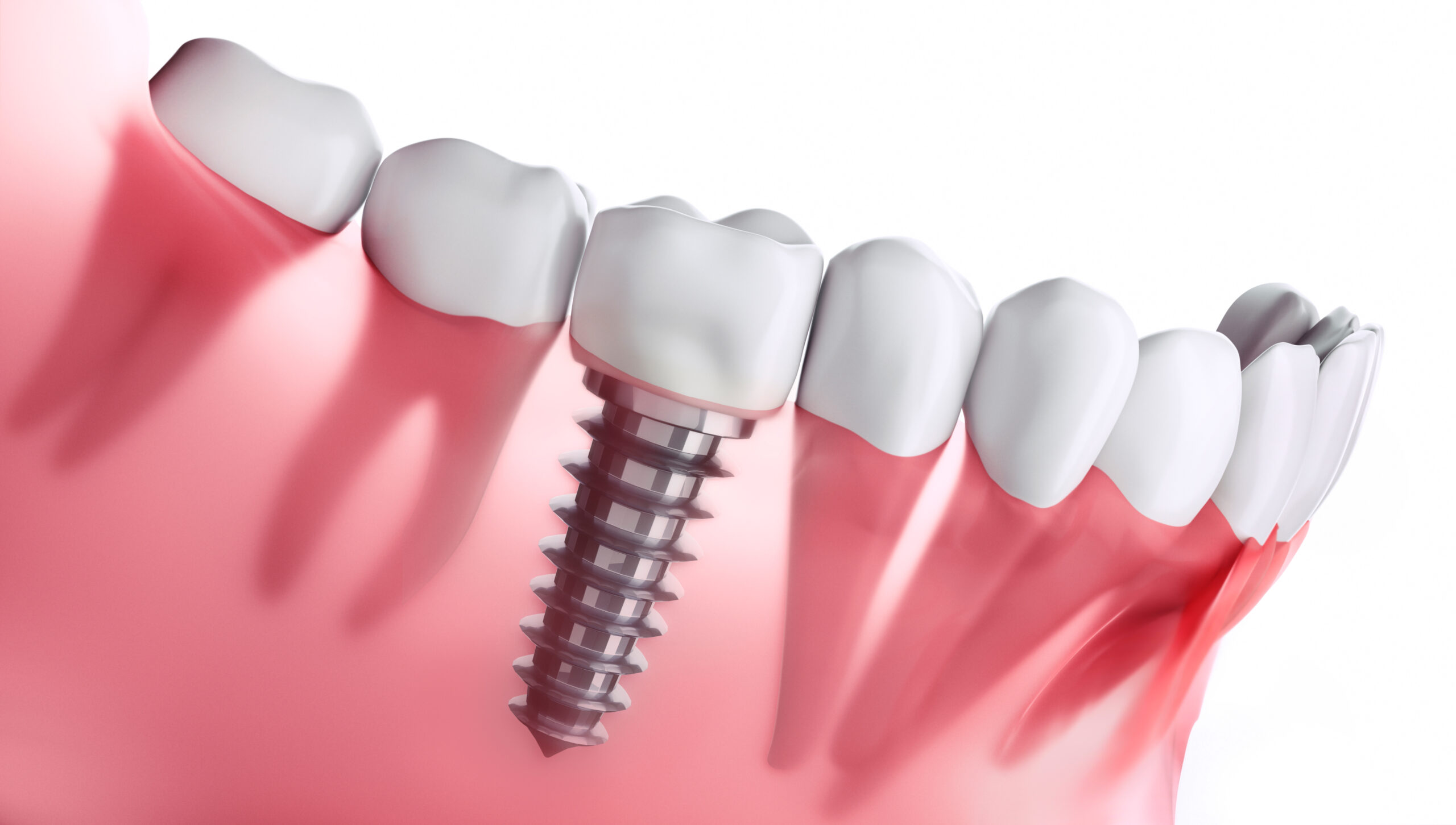
A dental implant is a titanium fixture that is surgically placed into the jawbone to serve as an artificial tooth root. Once integrated with the bone, a crown is attached on top to restore the appearance and function of the missing tooth.
Every implant case at our practice begins with a CT scan and a surgical guide.
This commitment to pre-surgical planning is central to how we approach implant treatment safely and predictably.
Table of Contents
What Makes Our Implant Treatment Different
Hi-ossen Implant Systems
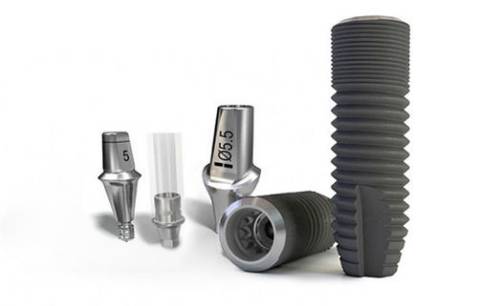
We use Hi-ossen (pending introduction) implant systems —well-established American platforms with strong long-term clinical track records. Implant success depends not only on the quality of the implant itself, but on precise placement at the correct position, angle, and depth. We select our systems based on reliability and our ability to plan and execute placement with accuracy.
If you have questions about the specific systems we use, please ask at your consultation.
Mandatory CT Planning and Surgical Guides
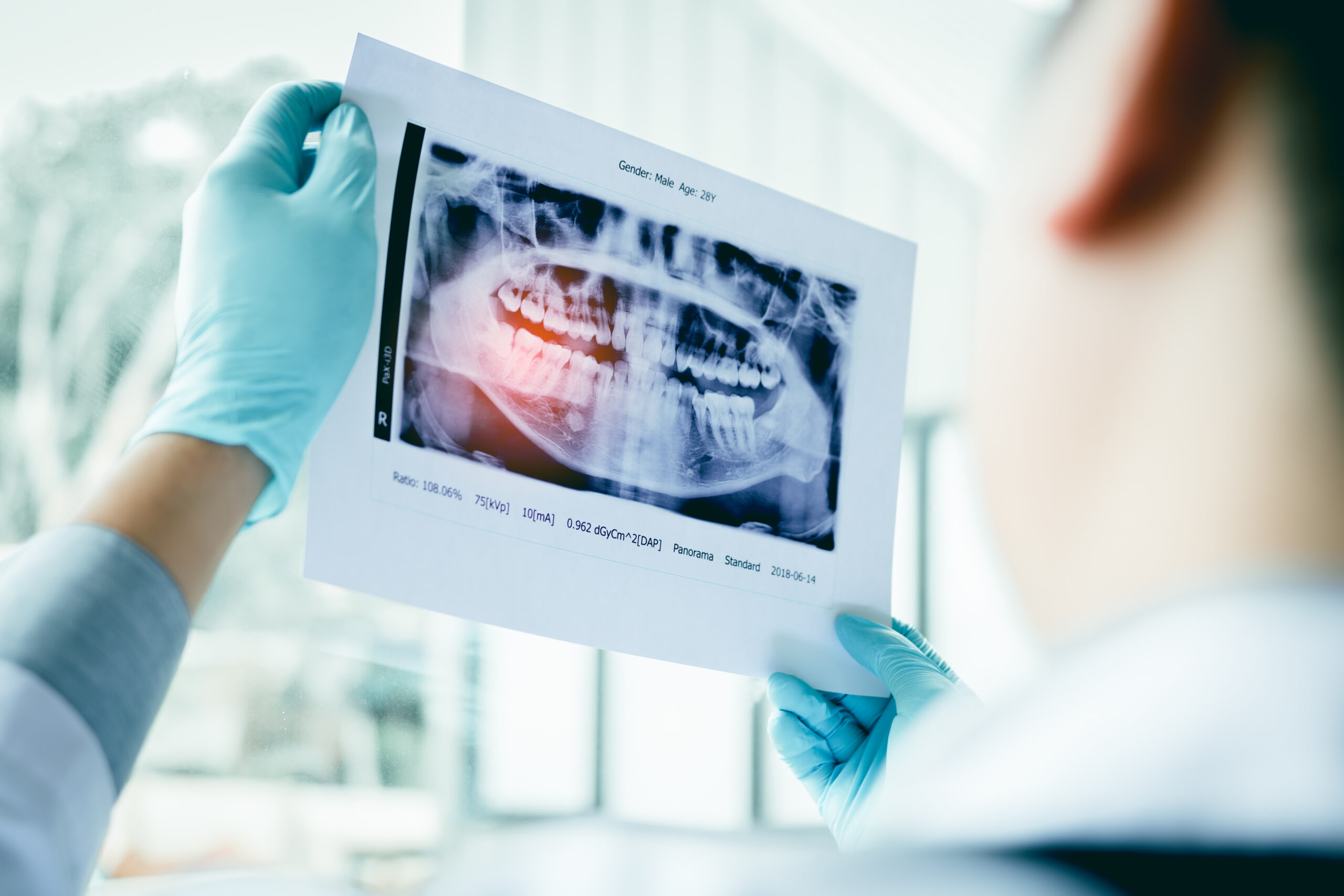
Before placing any implant, we obtain a cone beam CT scan and fabricate a surgical guide. The CT scan gives us a three-dimensional view of the bone — its width, height, density, and the precise location of nerves and sinuses. Using this data, we plan the implant position digitally before any surgery begins.
The surgical guide is a custom-made device that directs the drill to the planned position during surgery. It constrains the angle, direction, and depth of each osteotomy, reducing reliance on real-time judgment and improving the reproducibility of the procedure.
We consider this combination non-negotiable for implant placement — not an upgrade, but a baseline standard of care.
Periodontal Expertise and Long-Term Stability
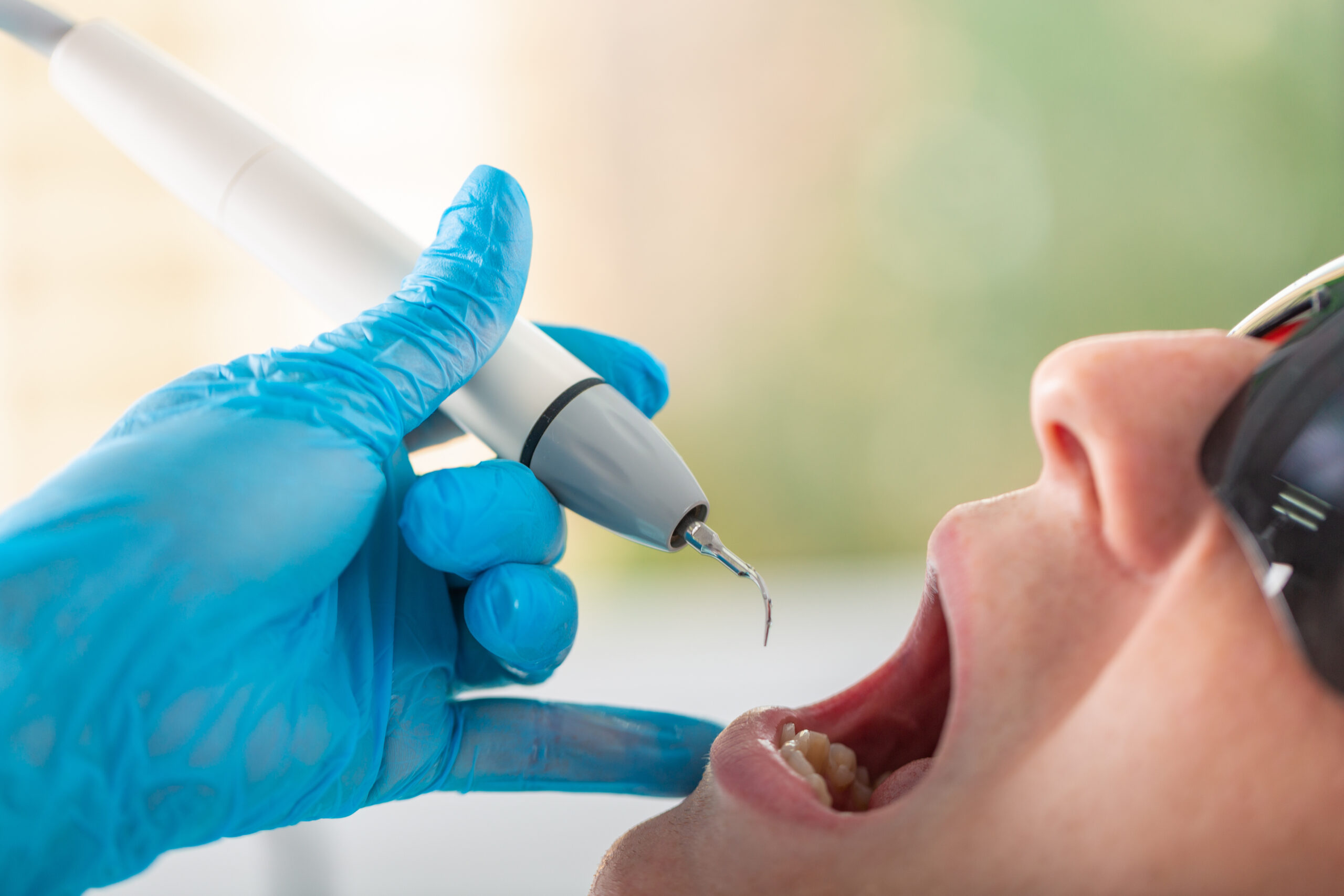
Dr. Tanaka holds certification from the Japanese Society of Periodontology and has specific training in the management of peri-implant tissues — the gum and bone surrounding an implant. Peri-implantitis (the implant equivalent of gum disease) is one of the leading causes of late implant failure, and it is largely preventable with proper case selection, surgical technique, and ongoing maintenance.
We evaluate the health of your gum tissue before surgery and, if necessary, complete any required periodontal treatment before implant placement proceeds. Post-surgical maintenance is considered part of the implant treatment, not optional aftercare.
Honest Treatment Planning
Not everyone is a good candidate for implants, and we take a straightforward approach to case selection. If we believe the prognosis for an implant is poor — due to inadequate bone, systemic health factors, or uncontrolled periodontal disease — we will tell you clearly and discuss alternatives.
We also do not perform implant surgery on smokers without a frank conversation about the risks. Smoking significantly impairs healing and increases the risk of peri-implantitis. We strongly encourage cessation before and after surgery.
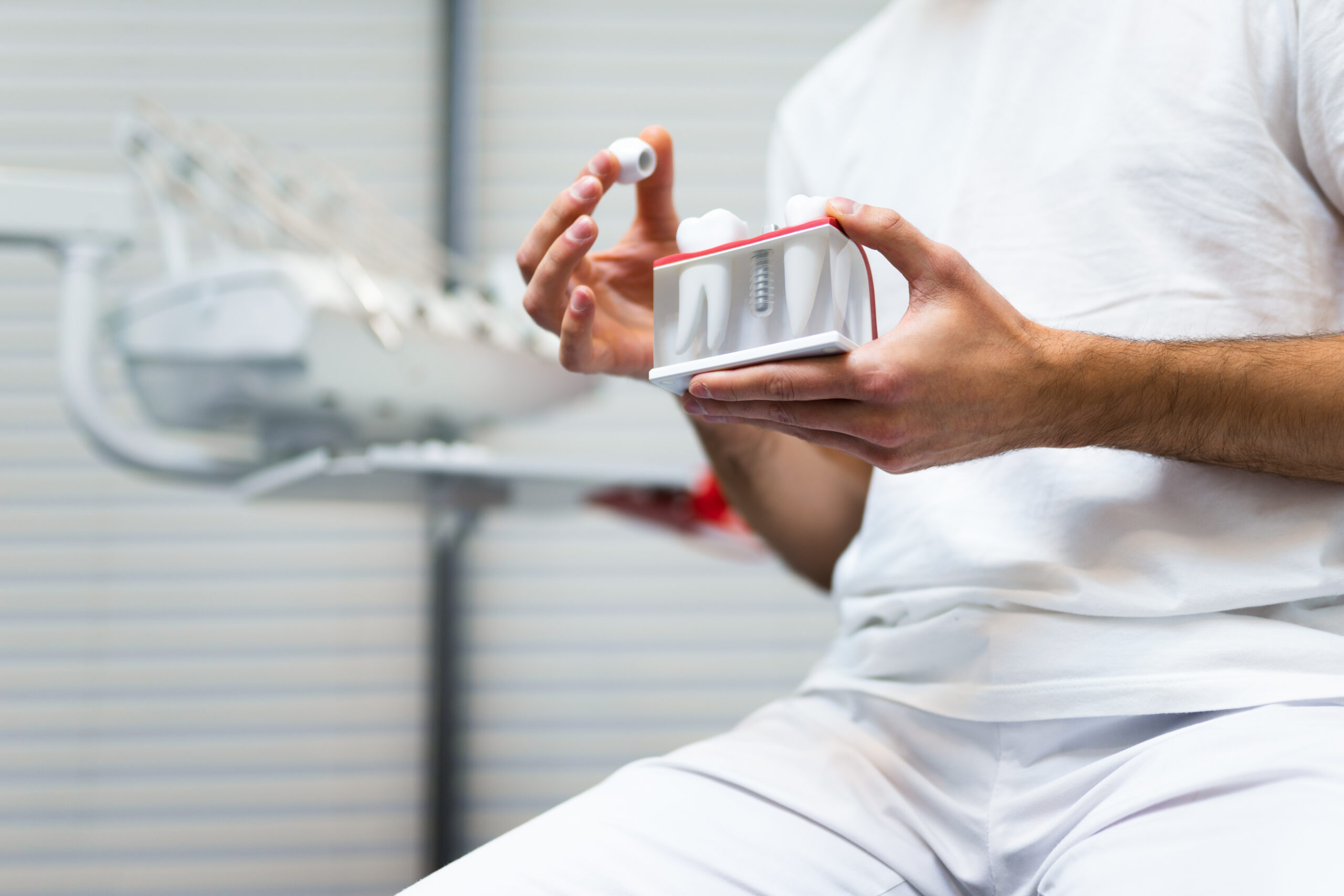

Who Is a Good Candidate for Implants?
Good candidates for dental implants are generally non-smokers (or willing to quit) in good overall health, with adequate bone volume at the planned implant site and healthy gum tissue. Uncontrolled systemic conditions — such as diabetes, osteoporosis, or medications that impair bone healing — may affect implant prognosis and require careful evaluation before proceeding.
For patients who are not suitable candidates for implants, we provide honest guidance and help you explore alternatives such as bridges or dentures.
Treatment Process & Timeline
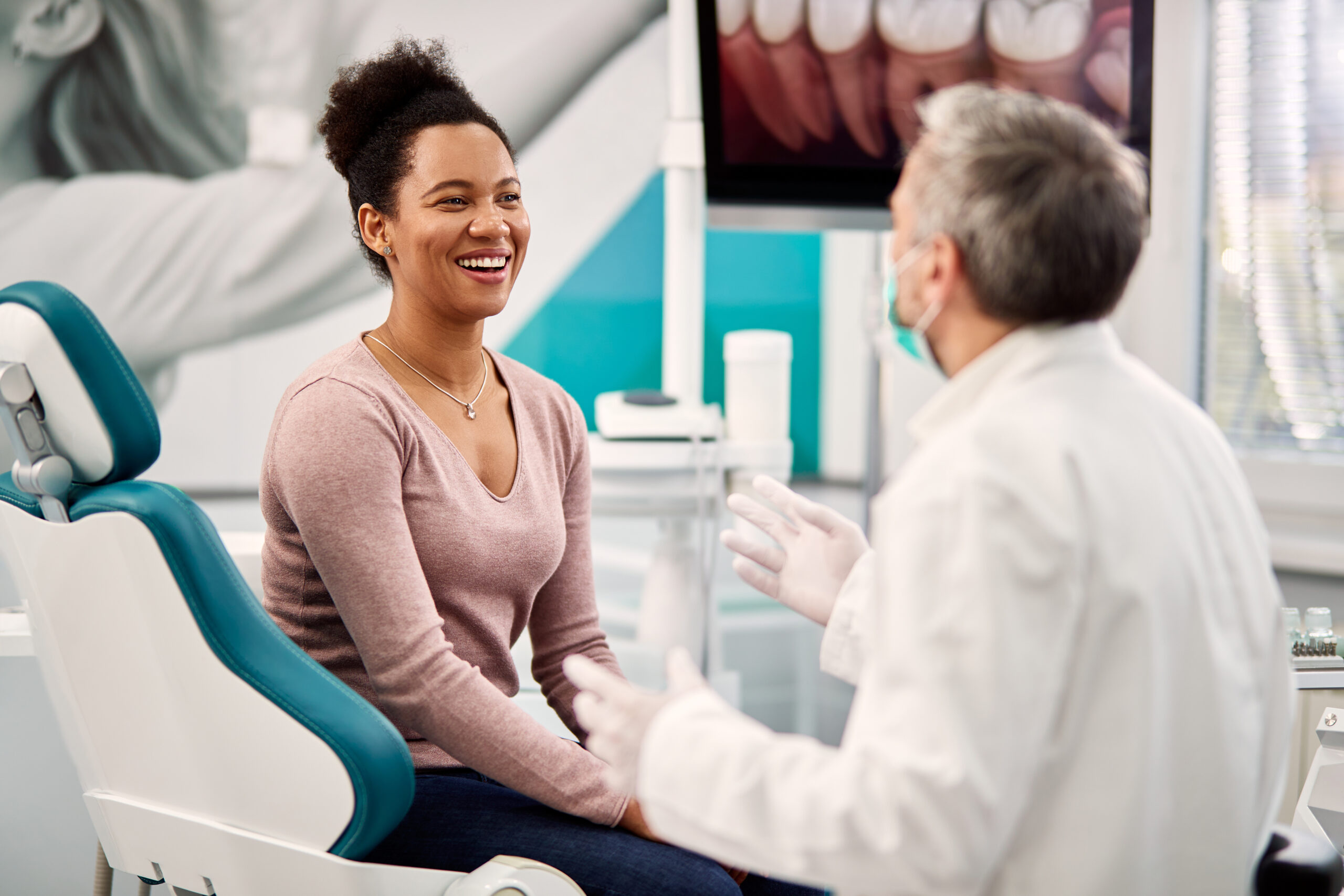
The full implant process — from tooth extraction (if needed) through to final crown delivery — typically takes eight to nine months. This timeline reflects the healing period required for osseointegration (the process by which the implant fuses with the jawbone), which usually takes three to six months.
If bone grafting is required to build up the implant site, the overall timeline will be longer. We discuss the full treatment plan, including any bone grafting needs, at your initial consultation.
| Comprehensive examination | CT scan, intraoral scan, treatment planning |
| Implant placement | Surgical placement of the titanium fixture |
| Healing / osseointegration | Implant integrates with the bone (3–6 months) |
| Crown fabrication & delivery | Abutment placement and final crown attachment |
Risks & What to Expect

Implant surgery is a minor surgical procedure. Some swelling, bruising, and discomfort in the days following surgery is normal and managed with prescribed medication. Rare but serious risks include nerve proximity complications, sinus involvement (for upper jaw implants), infection, and implant failure to integrate.
Long-term, the most significant risk is peri-implantitis — an inflammatory condition affecting the bone and tissue around the implant. This is strongly associated with poor oral hygiene, smoking, and inadequate professional maintenance. Regular six-monthly check-ups are important for all implant patients.
We monitor all implants at your recall visits and respond promptly to any concerns.
Frequently Asked Questions
Is implant surgery painful?
Surgery is performed under local anesthesia, so you should not feel pain during the procedure. Post-operative soreness, swelling, and bruising are common for the first few days and are managed with prescribed medication. IV sedation can be provided if necessary.
I smoke. Can I still get an implant?
Smoking significantly increases the risk of implant failure and peri-implantitis. We will have an honest conversation with you about these risks and strongly encourage you to stop smoking before and after surgery. Whether we proceed depends on a full assessment of your situation.
My bone is thin. Can implants still be placed?
Insufficient bone volume can often be addressed with bone grafting procedures. We’ll evaluate your CT data and explain what — if any — bone augmentation is needed before implant placement.