
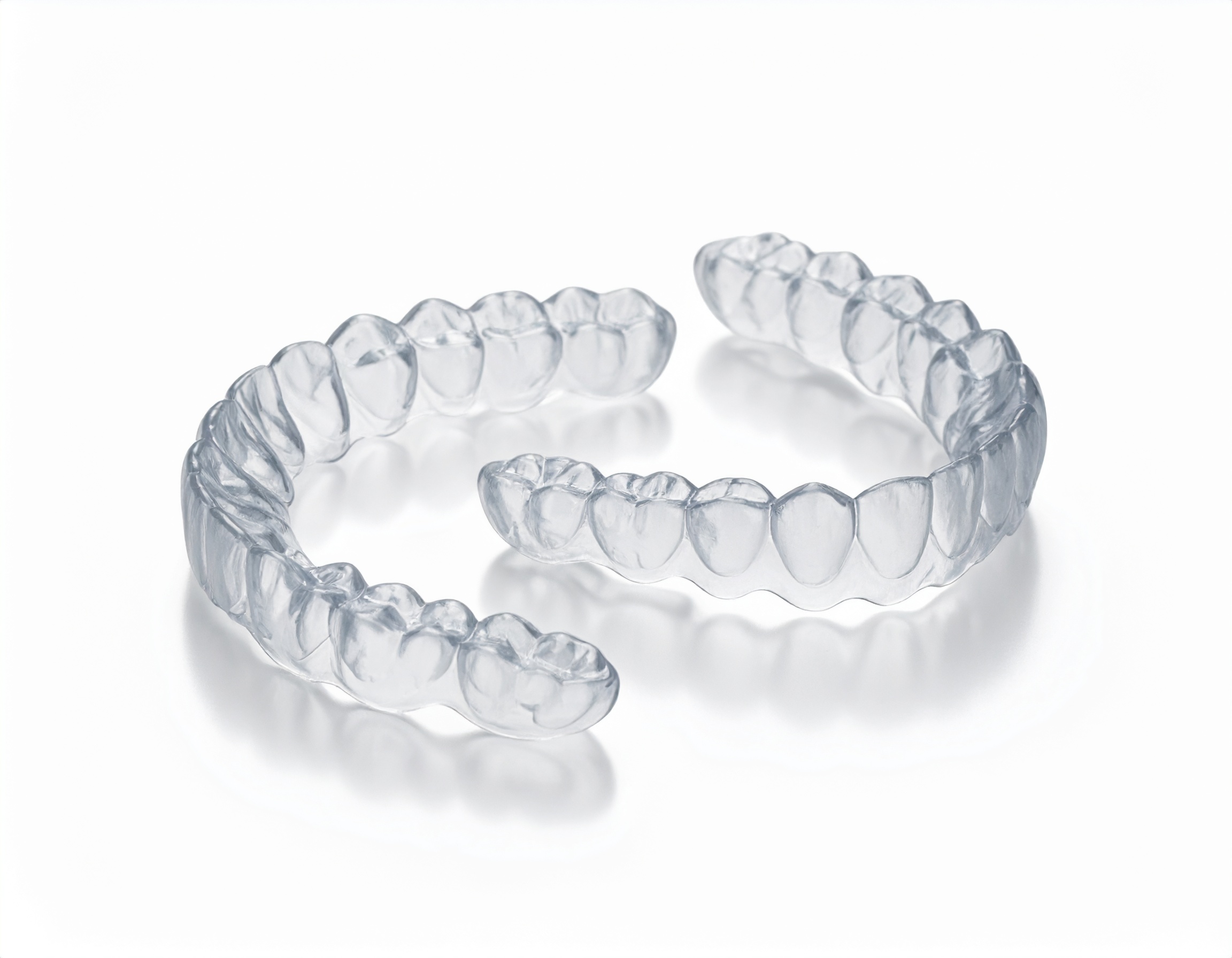
At Baseside Dental Office in Fussa, Tokyo, we offer Invisalign — a clear aligner orthodontic system — as an option for patients interested in straightening their teeth without metal brackets or wires. Invisalign uses a series of custom-made, removable, transparent aligners that gradually move teeth toward a planned final position.
Our practice focuses on mild to moderate cases — primarily crowding, mild open bite, and spacing — with a typical treatment timeline of six to nine months.
Initial consultations are available, allowing you to receive an honest assessment of whether Invisalign is the right option for you before committing to further examination.
Table of Contents
What Makes Invisalign Treatment Different
The Invisalign System
Invisalign is a U.S.-based clear aligner system with a strong clinical record and a robust digital treatment planning platform. Unlike fixed braces, aligners are removable — patients take them out to eat, brush, and floss — which makes it easier to maintain oral hygiene throughout treatment.
Each set of aligners is worn for approximately one to two weeks before progressing to the next in the series. Treatment progress is monitored at scheduled check-in appointments.
Digital Impressions with Intraoral Scanner
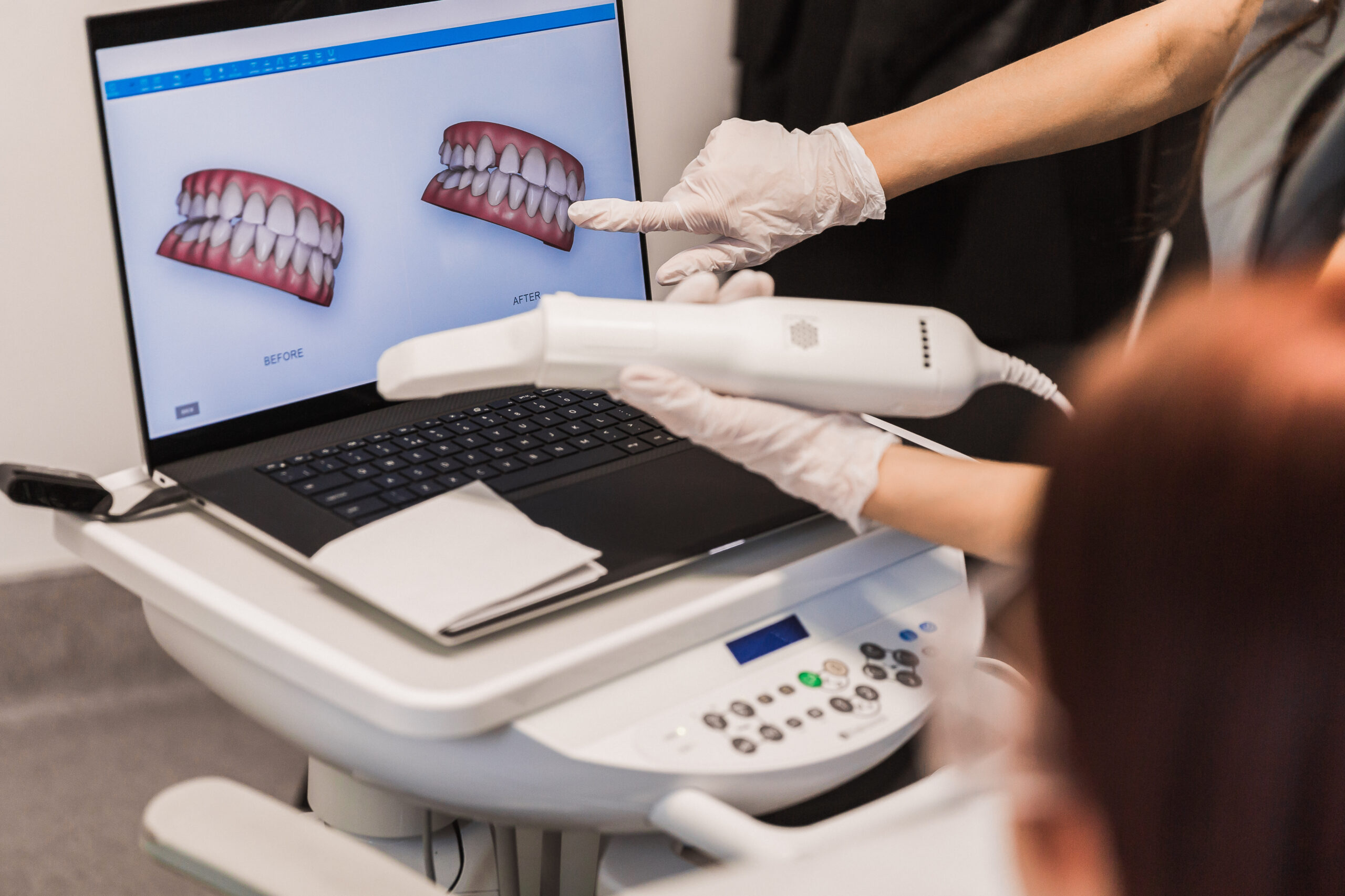
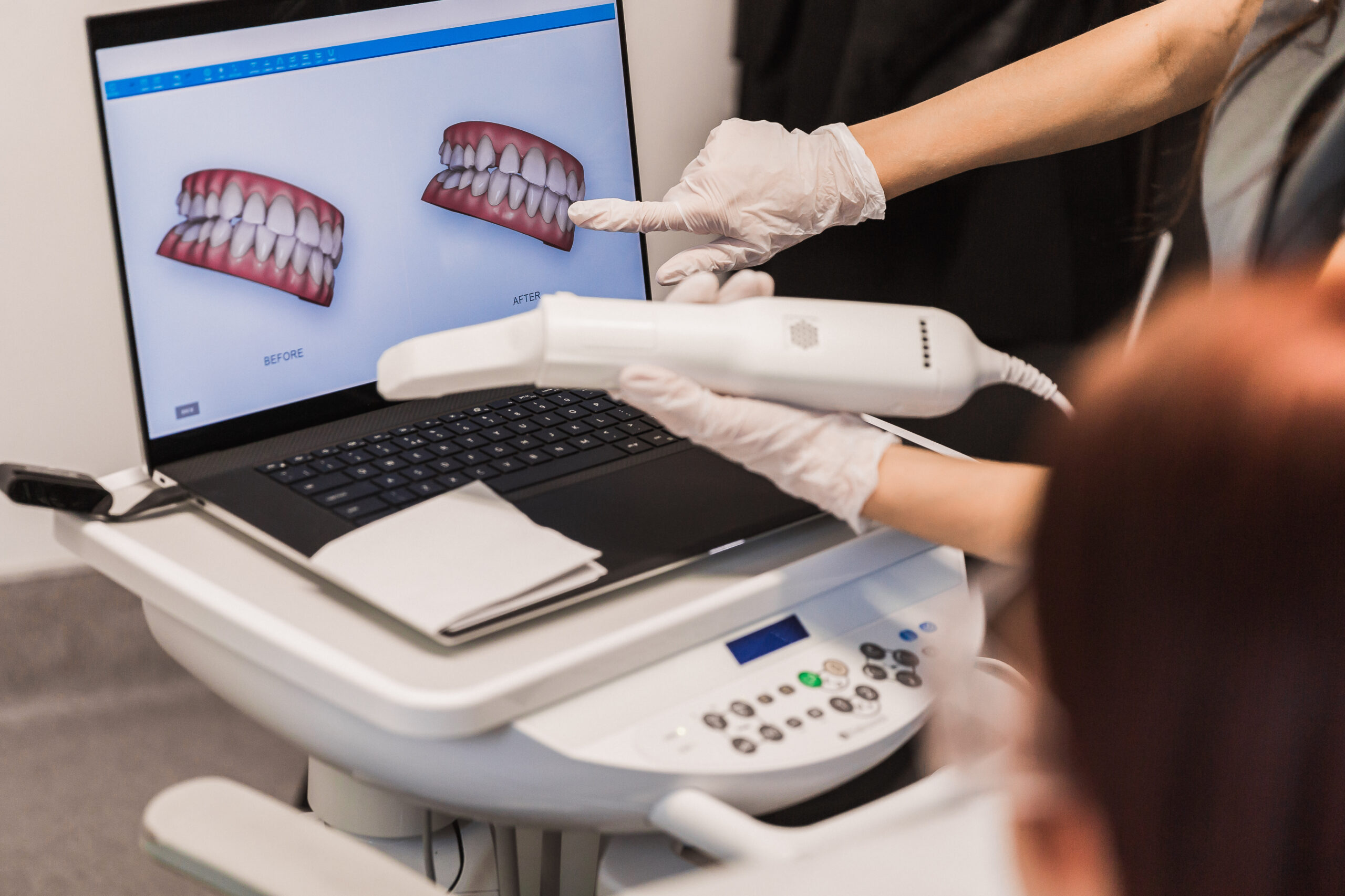
We use the intraoral scanner to record the starting position of your teeth for treatment planning. There is no impression material involved — the scanner captures a precise digital model in minutes, which is submitted to Invisalign’s planning software to generate your treatment simulation.
You’ll have the opportunity to review a digital simulation of your expected tooth movement before committing to treatment, giving you a clear picture of the planned outcome.
Careful Assessment of What Aligner Therapy Can Achieve
Clear aligners are an excellent tool, but they are not appropriate for every orthodontic case. Severe skeletal discrepancies, cases requiring significant extractions, and movements that depend on precise torque control may be better managed with fixed braces or with referral to an orthodontic specialist.
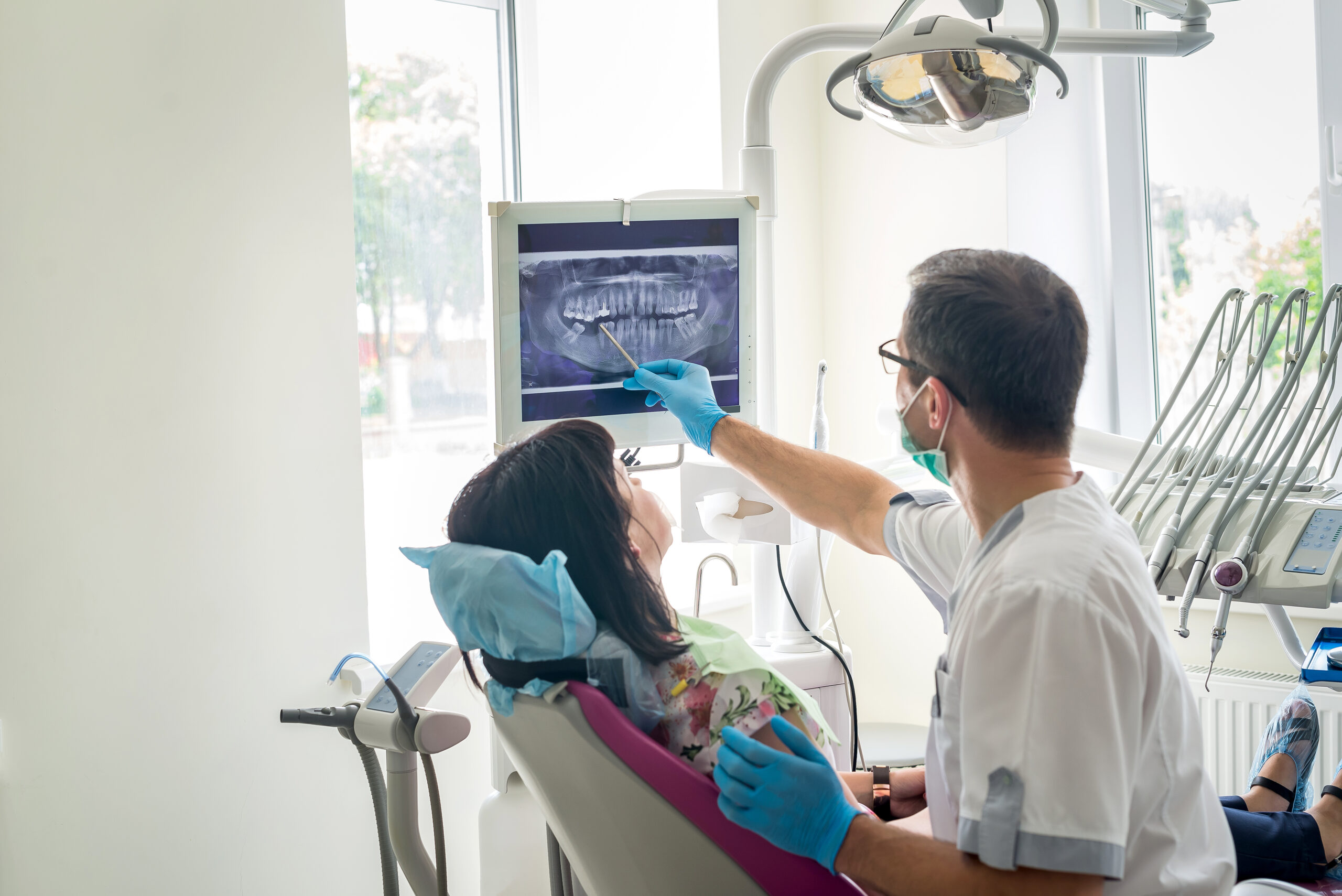
We conduct a thorough pre-treatment assessment — including clinical photographs, X-rays, CT, and digital scans — before recommending Invisalign. If we determine that your case exceeds what aligner therapy can reliably achieve, we will tell you clearly and discuss your options.
What Cases Are Suitable for Invisalign?
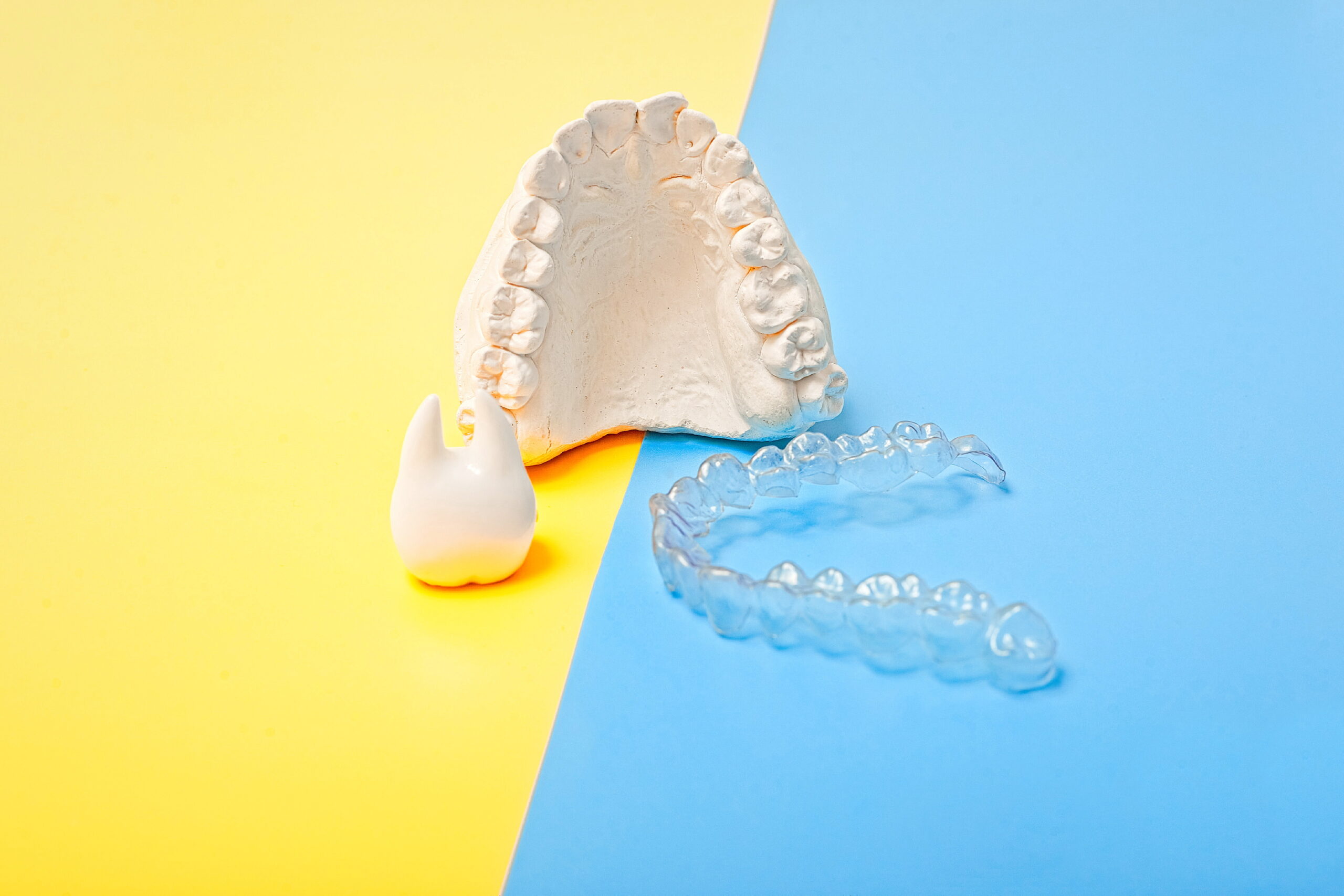
Invisalign works best for mild to moderate crowding, mild open bite, and mild spacing issues (such as small diastemas). Cases where the total amount of tooth movement is relatively limited, and where the movements themselves are within the biomechanical range of aligner forces, tend to produce the most predictable results.
More complex cases — including those requiring extraction of permanent teeth, significant vertical movements, or correction of underlying jaw discrepancies — are generally better suited to fixed orthodontic appliances or referral to a specialist.
Treatment Process & Timeline
Treatment begins with a consultation, intraoral scan, and diagnostic records. A digital simulation is reviewed and approved, and aligners are fabricated. You’ll receive your full series of aligners and begin wearing them — progressing to a new set every one to two weeks.
Most cases at our practice are completed within six to nine months, though some may be shorter or longer depending on the complexity of the movements involved.
After active treatment is complete, a retainer is required to maintain your result and prevent teeth from shifting back.
Risks & What to Expect
Clear aligner treatment requires a high level of patient compliance. Aligners must be worn for 20–22 hours per day — the only time they should be removed is during eating, drinking anything other than water, and brushing. Patients who do not wear their aligners consistently will experience slower or incomplete tooth movement, which may require additional aligner stages or a revised treatment plan.
Relapse (teeth shifting back after treatment) is a risk with all types of orthodontic treatment. Consistent retainer wear after treatment is essential to preserve the result.
Frequently Asked Questions
How many hours per day do I need to wear the aligners?
A minimum of 20–22 hours per day. Aligners should only be removed for eating, drinking (anything other than water), and oral hygiene. Consistent wear is essential for the treatment to work as planned.
Is there pain with aligner treatment?
Some pressure or mild discomfort is normal when a new aligner is first placed — this usually subsides within a day or two. If you experience significant pain, please contact us.
Is Invisalign suitable for teenagers?
Invisalign is primarily intended for adult patients. If you are inquiring on behalf of a teenager or child, please contact us so we can discuss the specific needs of the case. We also offer Invisalign treatment options designed for younger patients, including Invisalign Teen for adolescents and Invisalign First for children with early mixed dentition.
Will my teeth shift back after treatment?
Without a retainer, some degree of relapse is likely over time. We provide a retainer at the end of active treatment, and we recommend wearing it as directed — typically nightly — to maintain your result.