
At Baseside Dental Office in Fussa, Tokyo, we use composite resin — a tooth-colored, plastic-based restorative material — to repair teeth affected by decay or damage. Unlike traditional metal fillings, composite resin closely matches the natural appearance of your teeth, making it a popular choice for patients who want restorations that blend in naturally.
Whether you’re dealing with new decay or looking to update older restorations, we take the time to explain your options clearly and help you decide what’s right for your situation.
Table of Contents
What Makes Our Fillings Different
High-Quality Materials
We use composite resin products from trusted manufacturers worldwide. Material selection is based on the location and extent of the restoration, balancing aesthetics with durability.
We take care to match the shade of the composite to your surrounding tooth structure, so the restoration looks natural rather than obvious. For patients who are conscious of the appearance of their smile, this attention to detail makes a real difference.
Matching the Right Material to the Right Tooth
Composite resin is an excellent material, but it isn’t the right choice for every situation. At our practice, we carefully evaluate the extent of decay, the amount of remaining healthy tooth structure, and the forces placed on that tooth before recommending a filling.
A restoration that fails prematurely — chipping, fracturing, or falling out — is often the result of placing the wrong material in the wrong situation, not the material itself. Our goal is to recommend fillings that last, which means being honest when a different approach might serve you better.
Clear Communication and Shared Decision-Making
Before any treatment begins, we use intraoral photos to show you exactly where the decay is and how extensive it appears to be. We explain what the procedure involves, what the material can and cannot do, and how long you might reasonably expect the restoration to last.
We don’t rush this part of the process. Understanding what you’re agreeing to — and why — is a non-negotiable part of how we practice.
Replacing Metal Fillings
Patients who want to replace old amalgam or metal restorations with tooth-colored composite are welcome to discuss this option at our practice. Whether replacement makes sense depends on the current condition of the filling, the amount of healthy tooth structure remaining, and the size of the restoration.
In cases where a metal filling is large or the remaining tooth structure is limited, a ceramic crown may actually provide better long-term protection than a composite filling. We’ll walk you through the pros and cons honestly, so you can make the decision that’s right for you.
What Is Composite Resin?
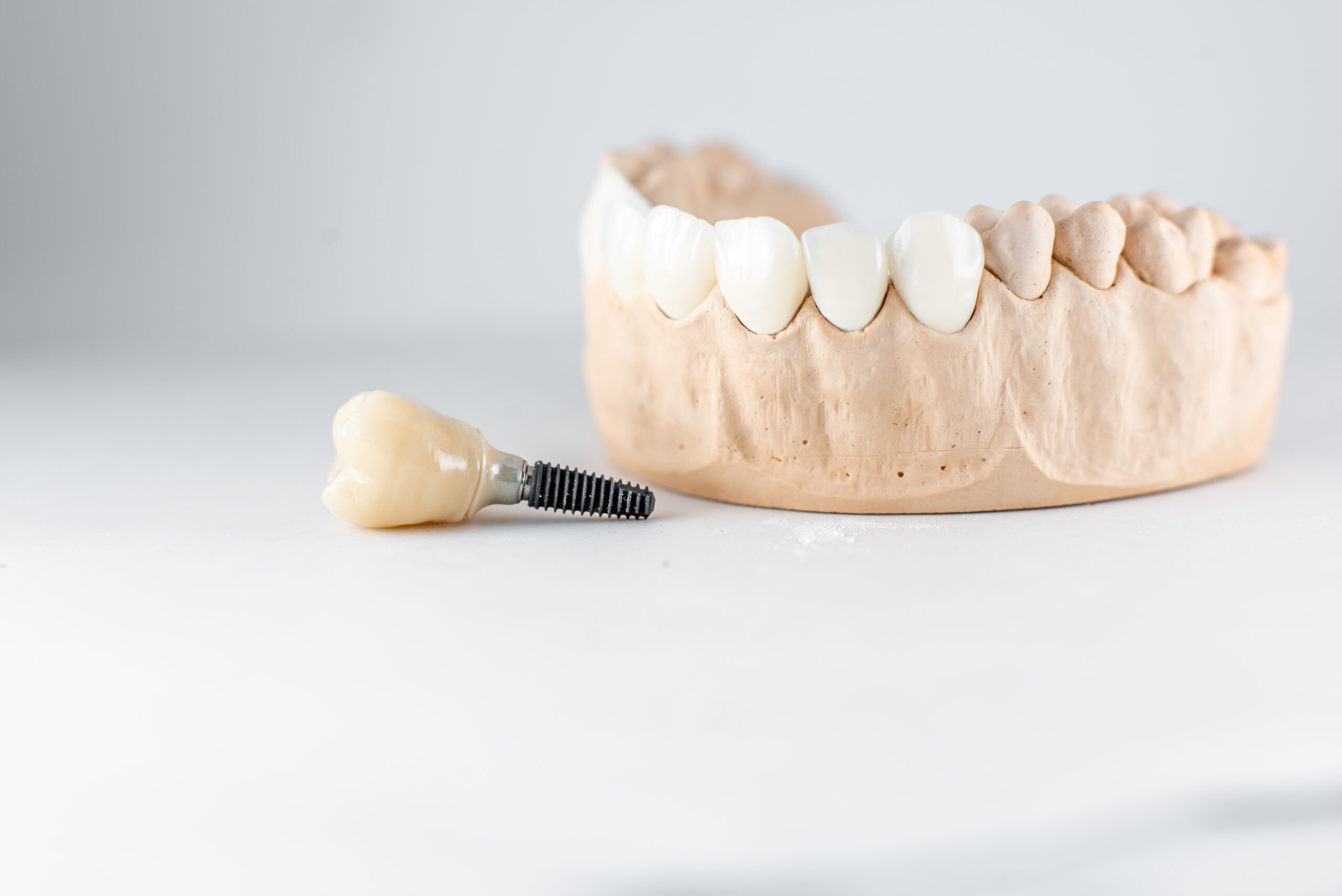
Composite resin is a tooth-colored restorative material made from a combination of glass or ceramic particles suspended in a plastic resin base. It bonds directly to the tooth structure, which means less healthy tooth needs to be removed compared to some other restorative options.
Because it is metal-free, composite resin is also suitable for patients with metal sensitivities or allergies. However, it is worth knowing that composite can stain over time — particularly with frequent consumption of coffee, red wine, or other pigmented foods and beverages — and may wear more quickly than ceramic restorations in high-stress areas. We’ll make sure you understand these characteristics before proceeding.
Replacing Metal Fillings
If you have older metal fillings you’d like to replace, the process involves carefully removing the existing restoration and evaluating the tooth underneath. Sometimes additional decay is found once the old filling is removed, which may change the treatment plan.
When the restoration area is large, we may recommend a ceramic onlay or crown rather than a composite filling, as these options tend to be more durable under heavy chewing forces. The best approach depends on your individual situation — we’ll assess everything thoroughly before making a recommendation.


Treatment Process & Timeline
For most straightforward cases, a composite resin filling can be completed in a single appointment. The process involves numbing the area with local anesthesia, removing any decay, cleaning and conditioning the tooth, placing and shaping the composite resin in layers, curing it with a dental light, and checking your bite before you leave.
More complex cases — such as very deep decay or multiple surfaces involved — may require additional appointments. We’ll let you know what to expect during your consultation.
Risks & What to Expect
Composite resin fillings can discolor over time, particularly with exposure to staining foods and beverages. They may also wear more quickly in areas subject to heavy biting forces, or chip and dislodge in patients who grind or clench their teeth.
If you experience sensitivity, discomfort, or notice a change in how your bite feels after a filling, please contact us. Some post-treatment sensitivity is normal and typically resolves within a few days.

Frequently Asked Questions
Can I replace my silver fillings with white ones?
Yes, this is something we can discuss. Whether it makes sense depends on the size of the existing restoration and the condition of the tooth. In some cases, a ceramic crown may be a better option than composite resin. We’ll review everything with you before making a recommendation.
How long does a composite filling last?
That depends on the location of the filling,and mainly how you use it.
Is a composite filling covered by National Health Insurance?
No. We do not accept Japanese National Health Insurance — all treatments are provided on a self-pay basis. We’ll provide a clear cost estimate before starting any treatment.
Will the procedure hurt?
We use local anesthesia for most filling procedures, so you should not feel pain during treatment. Some post-procedure sensitivity is normal and typically settles within a few days. Let us know if it persists.
What if my filling falls out?
Please contact us when you can. An exposed tooth surface is vulnerable to decay, and even if you’re not in pain, it’s important to address a missing filling promptly. If you are out of the country and need information from us, please send us an email at basesidedentaloffice@gmail.com and we will get back to you as soon as possible.