
At Baseside Dental Office in Fussa, Tokyo, we offer dental veneers as a highly aesthetic option for patients who want to change the shape, size, or color of their front teeth. Veneers are thin shells of ceramic material — bonded directly to the front surface of the tooth — that can dramatically improve the appearance of a smile with minimal or no tooth reduction.
We work with two veneer materials: Feldspathic porcelain and e.max (lithium disilicate). We are committed to no-prep and minimal-prep approaches whenever clinically appropriate, and we use Digital Smile Design (DSD) to visualize the final outcome before any treatment begins.
Table of Contents
What Makes Our Veneer Treatment Different
No-Prep and Minimal-Prep Philosophy
We approach every veneer case with a bias toward preserving tooth structure. Enamel, once removed, cannot be replaced — which means the preparation decision is permanent and irreversible. Before recommending any tooth reduction, we evaluate whether the desired outcome can be achieved with no preparation at all, or with the absolute minimum.
Not every case is suitable for no-prep veneers. The natural shade of the tooth, the amount of projection needed, and the material thickness required all influence what is clinically possible.However, our starting point is always: how little do we need to remove?
Precision Fabrication Through Our Dental Lab
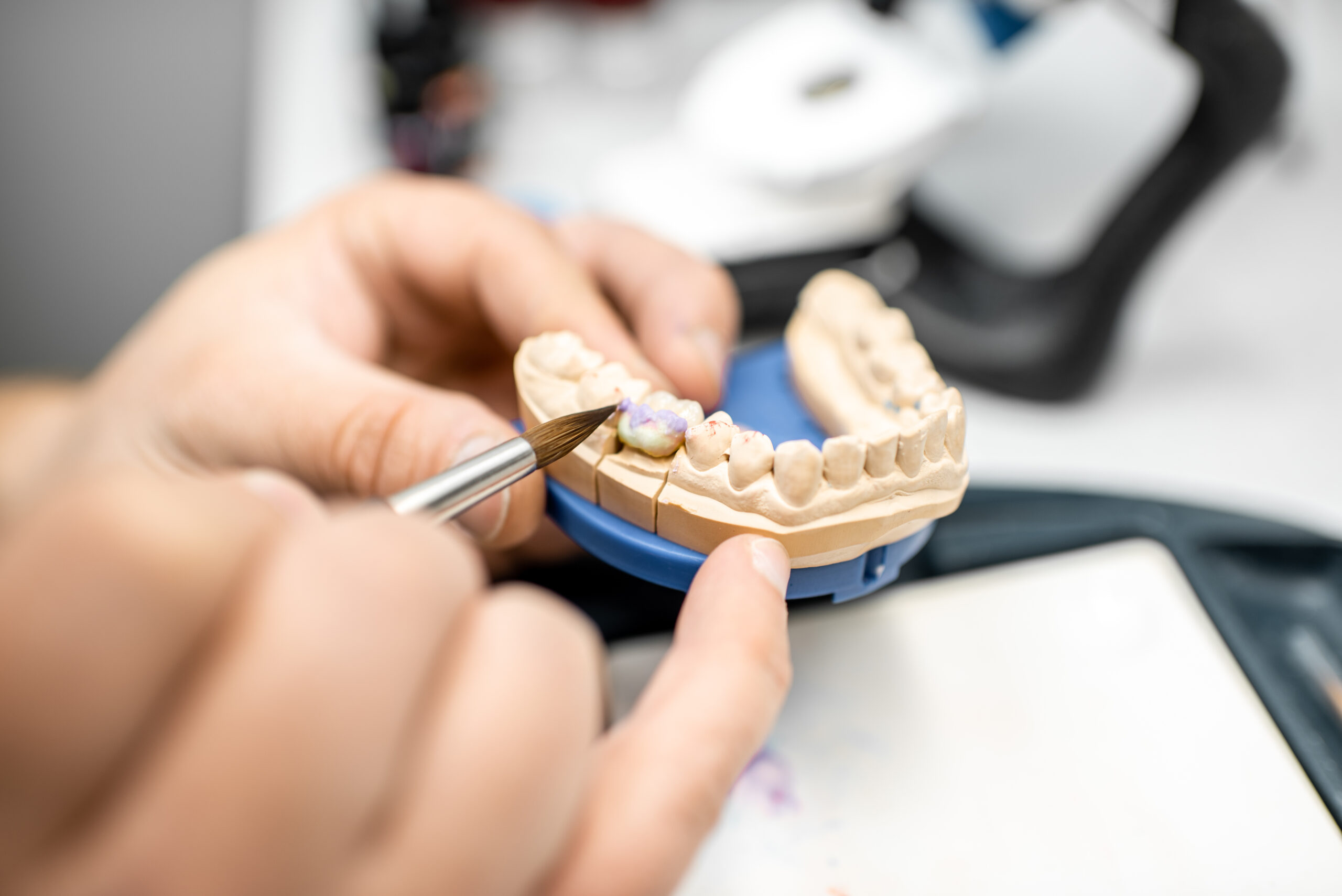
Veneer fabrication is a technically demanding process that relies on close collaboration between the clinician and the dental technician. We use digital impressions taken with our intraoral scanner to send precise records to our external laboratory, and we work with technicians who have specific experience with aesthetic ceramic restorations.
The fit and aesthetics of the final veneers are verified at a try-in appointment before permanent bonding, giving both you and us the opportunity to confirm that the result meets expectations.
Who Is a Good Candidate for Veneers?
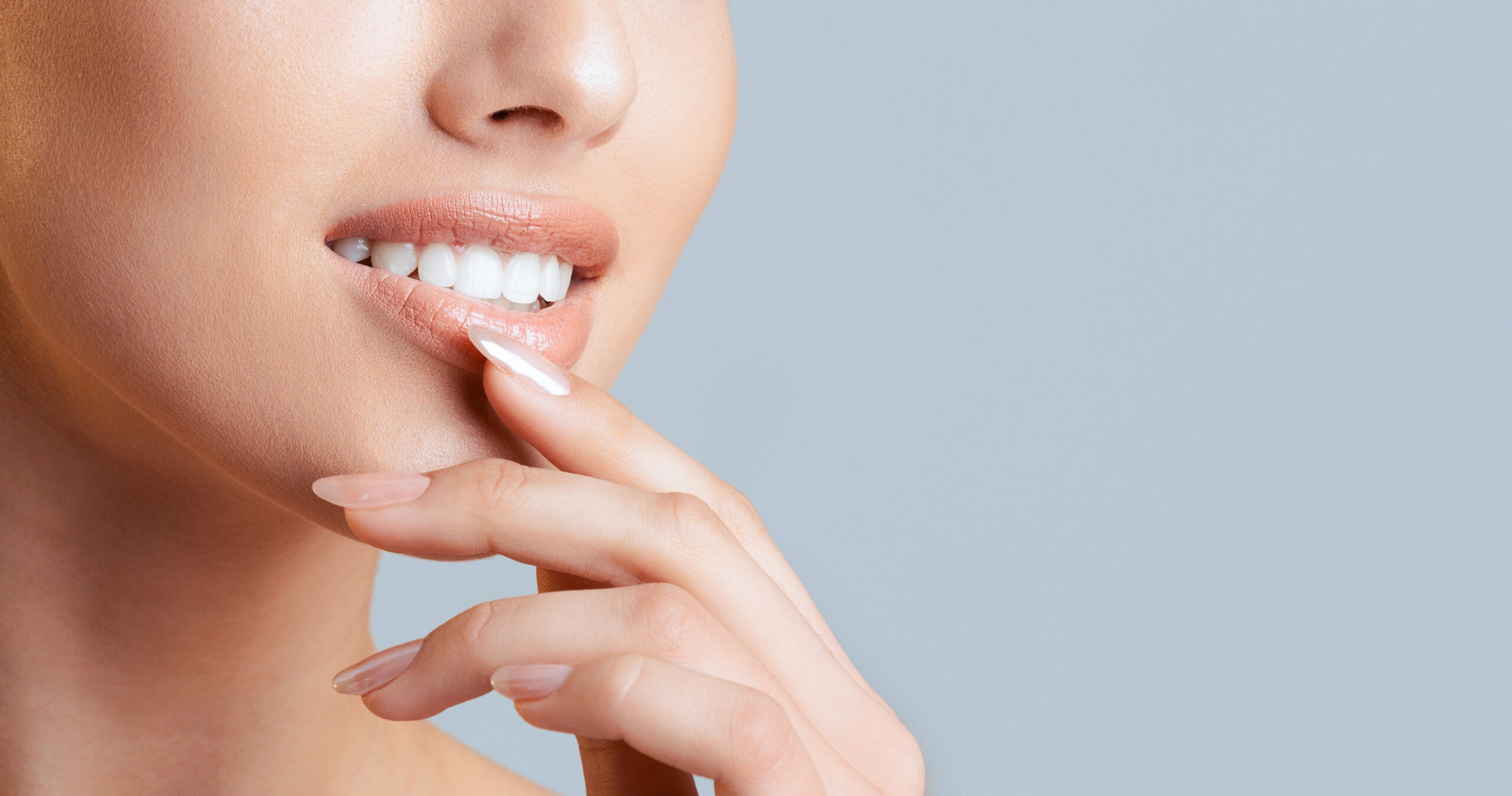
Veneers are well suited to patients who want to improve the color, shape, or size of their front teeth — particularly in cases where whitening has not achieved the desired result, or where the tooth’s structure itself needs to change.
Common indications include: discoloration that does not respond to whitening, chipped or short teeth, small gaps between front teeth (diastema), and minor positional irregularities where orthodontic treatment is not desired.
Veneers are generally not recommended for patients with severe bruxism (tooth grinding), significant bite discrepancies, or insufficient enamel remaining on the tooth surface. We assess all of these factors before making a recommendation.
Risks & What to Expect
Veneers are thin — typically 0.3–0.7 mm — and, like all ceramic restorations, they can fracture under excessive force. Patients who grind their teeth are at higher risk, and we recommend a night guard for all veneer patients who show signs of bruxism.
The shade of a veneer is fixed at the time of fabrication and will not change with whitening. For this reason, we recommend completing any desired whitening before veneer treatment begins.
Frequently Asked Questions
Can veneers be placed without shaving my teeth?
In some cases, yes. No-prep veneers are possible when the desired outcome can be achieved without altering the natural tooth surface. Whether this is feasible depends on the current shade, shape, and position of the tooth, and the thickness of the material required. We’ll assess this at your consultation.
How long do veneers last?
Lifespan depends on the material, the condition of your bite, and how well the veneers are maintained. Patients who grind their teeth are at higher risk for chipping. With good care and a protective night guard where indicated, veneers can remain in excellent condition for many years.
What’s the difference between veneers and whitening?
Whitening lightens the natural shade of your teeth through a bleaching process. Veneers replace the visible surface of the tooth with a custom ceramic shell — which means they can change not just the color, but also the shape, size, and surface texture of the tooth. Veneers are a more comprehensive solution, but also a more involved and costly one.
Can veneers fix crooked teeth without braces?
Minor positional issues can sometimes be corrected visually with veneers, by adjusting the shape and size of the ceramic shell. However, veneers do not move teeth — they change how the teeth look. For significant misalignment, orthodontic treatment is the more appropriate approach. The combination of orthodontics and veneer treatment can lead to excellent outcomes.