
At Baseside Dental Office in Fussa, Tokyo, we offer professional teeth whitening for patients who want to brighten the natural shade of their teeth. Our primary whitening method is take-home whitening using custom-fabricated trays — an approach we recommend for most patients because of its flexibility, the quality of results it produces over time, and its tolerability for patients with sensitive teeth.
We are also preparing to offer in-office whitening for patients who prefer a faster, single-appointment option.
Table of Contents
What Makes Our Whitening Treatment Different
Take-Home Whitening as Our Primary Method
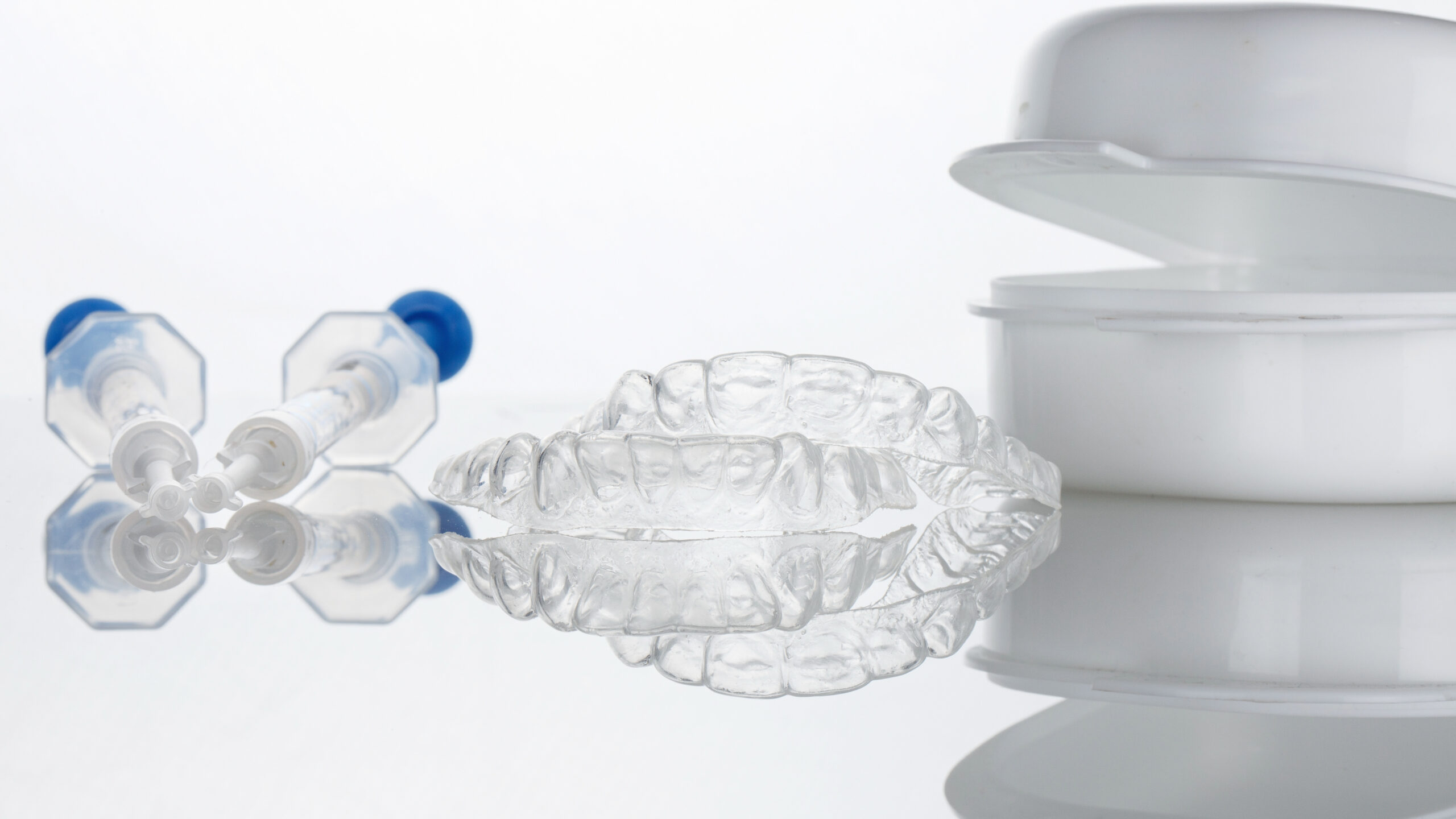
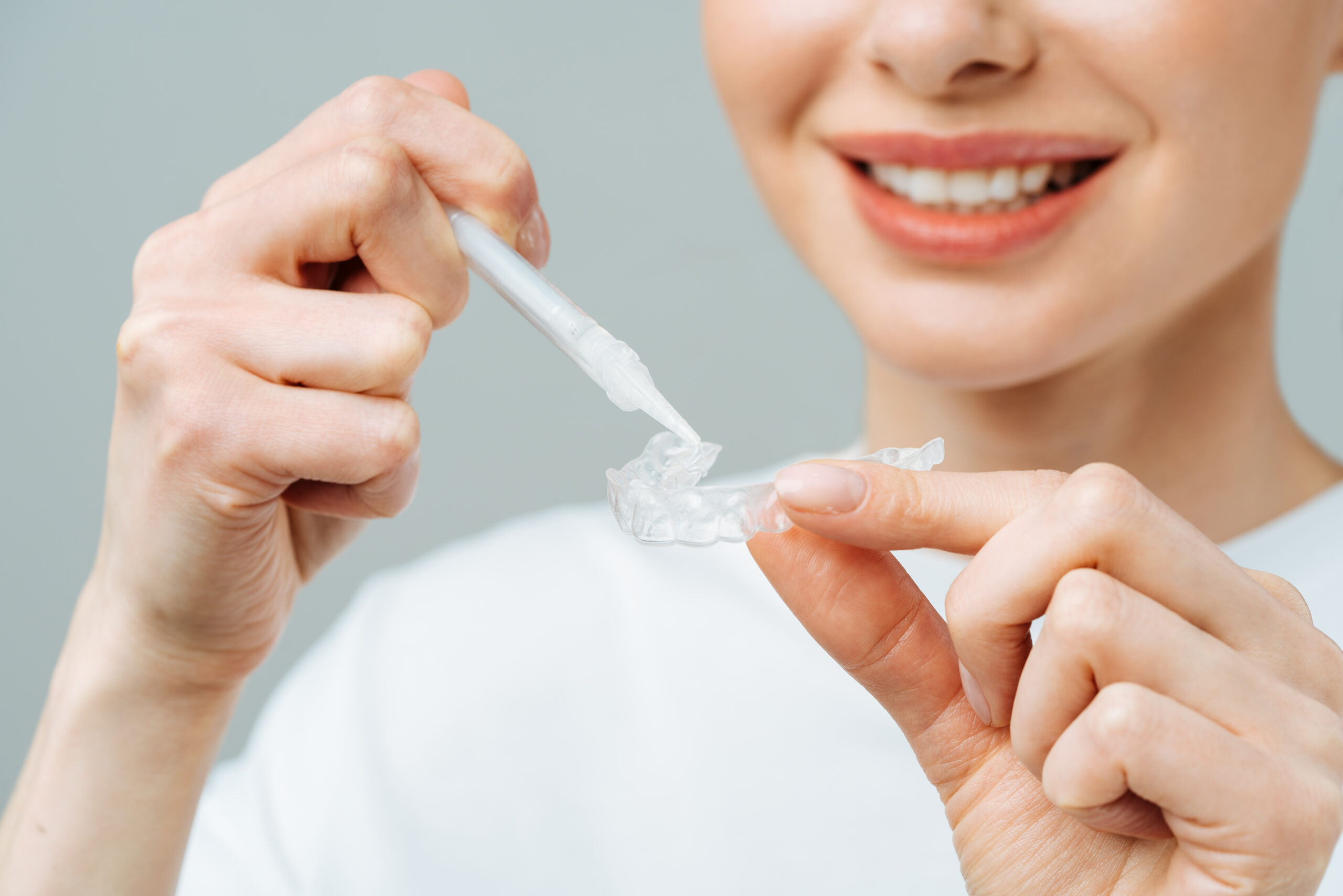
We recommend take-home whitening as the foundation of our whitening protocol. Custom-fitted trays are made from a digital impression of your teeth, ensuring close contact between the whitening gel and every tooth surface. The trays are used daily at home — typically for one to two hours per session, over two to four weeks — and the gradual approach tends to minimize sensitivity while still producing excellent results.
One of the key advantages of take-home whitening is that the trays and touch-up gel can be used indefinitely to maintain your result over time. Many patients appreciate having the ability to do a touch-up before an important event without returning for an in-office procedure.
In-Office Whitening Option
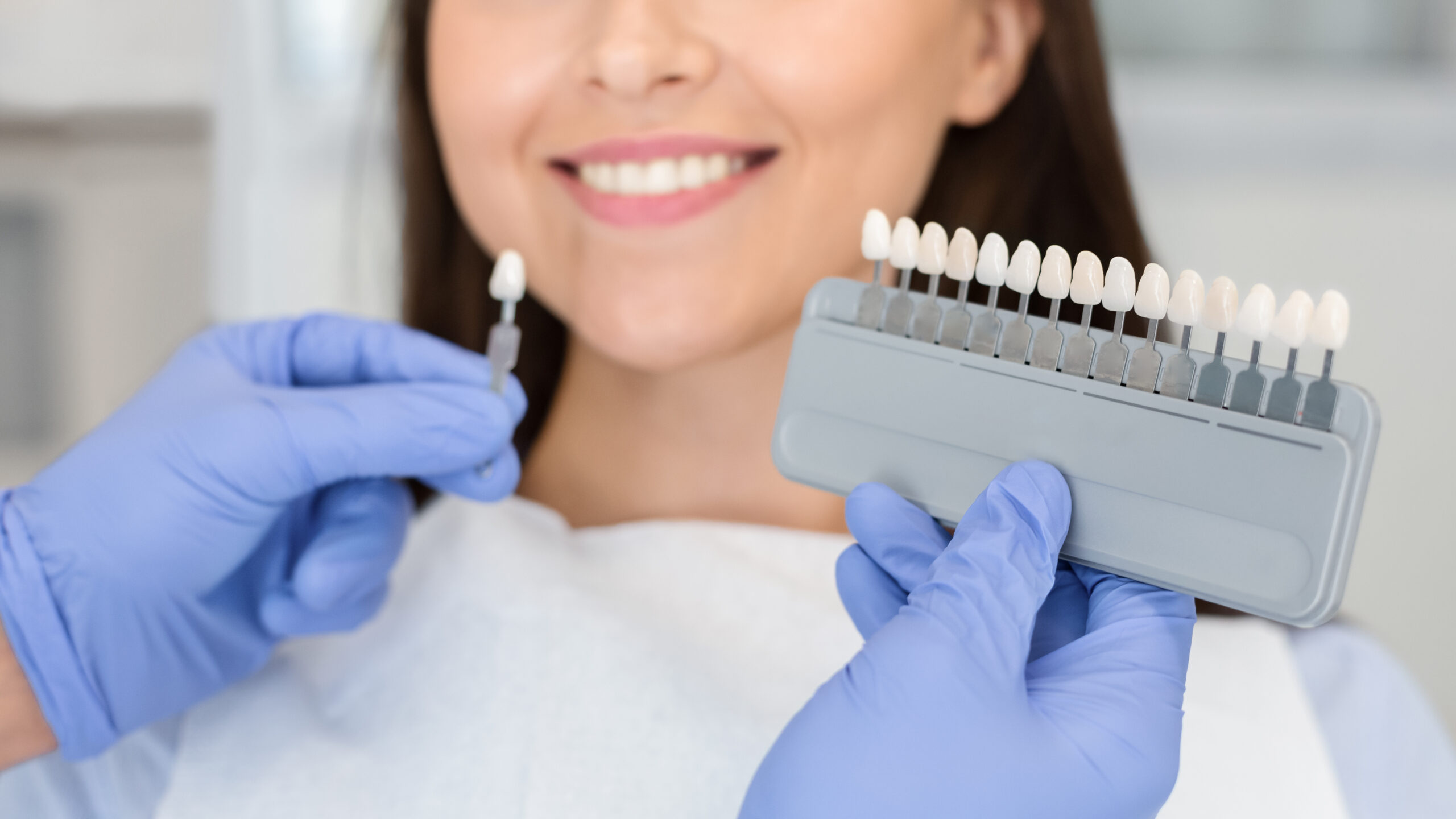
For patients who want faster results — or who prefer to have the procedure overseen directly by the dentist — we are preparing to offer in-office whitening. In-office whitening typically produces a noticeable result in a single appointment of approximately two and a half hours.
In-office and take-home whitening can also be combined — a dual-whitening approach that some patients choose for maximum initial impact followed by ongoing maintenance at home.
Pre-Treatment Examination
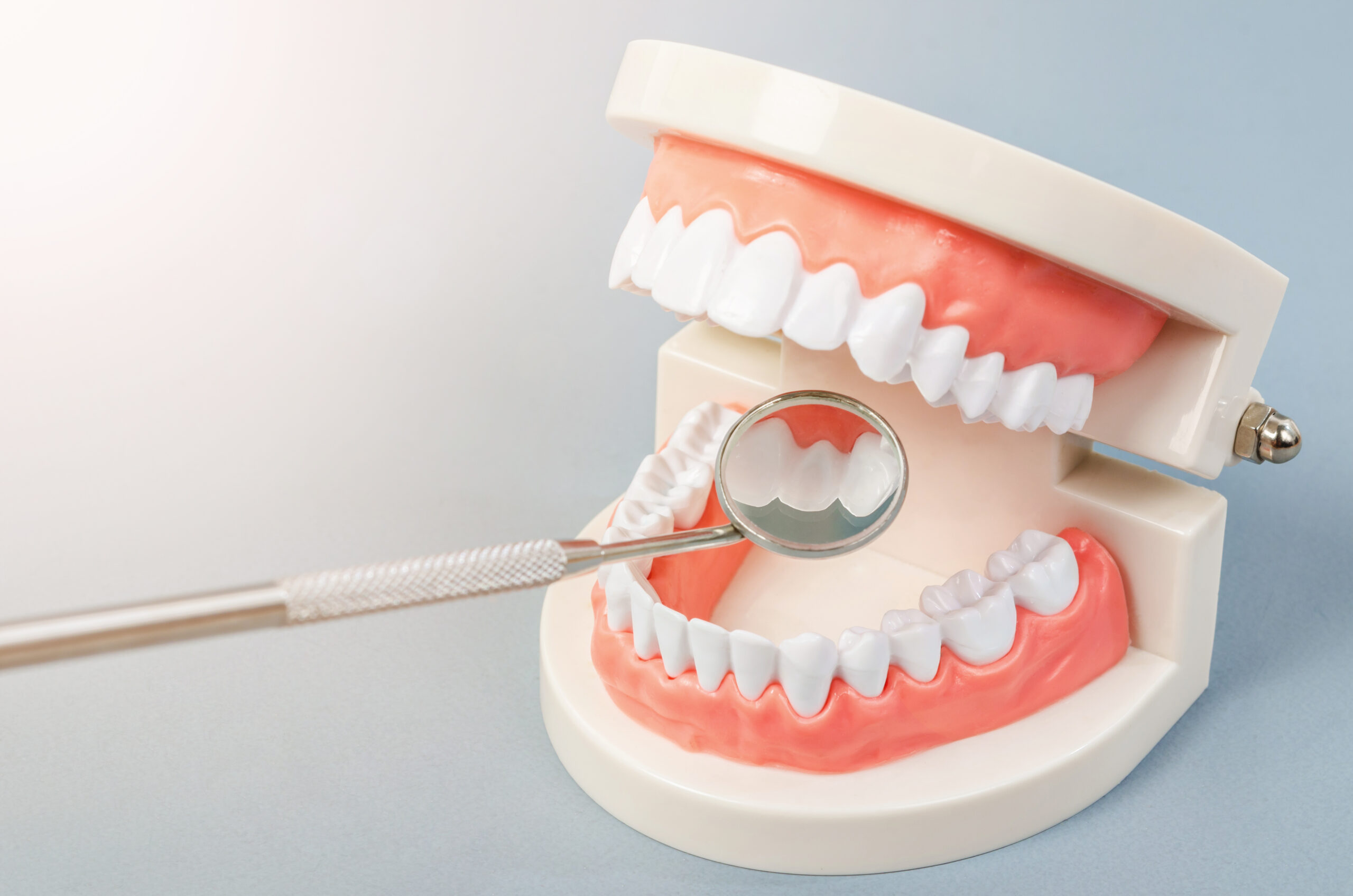
We do not begin whitening treatment without first confirming that your mouth is in an appropriate condition. Active decay or gum disease should be treated before whitening commences. Existing sensitivity, open margins on restorations, or signs of enamel erosion may also influence how we approach or time your whitening treatment.
If you are due for a check-up, we recommend scheduling your examination before your whitening consultation.
Coordinating Whitening with Aesthetic Restorations
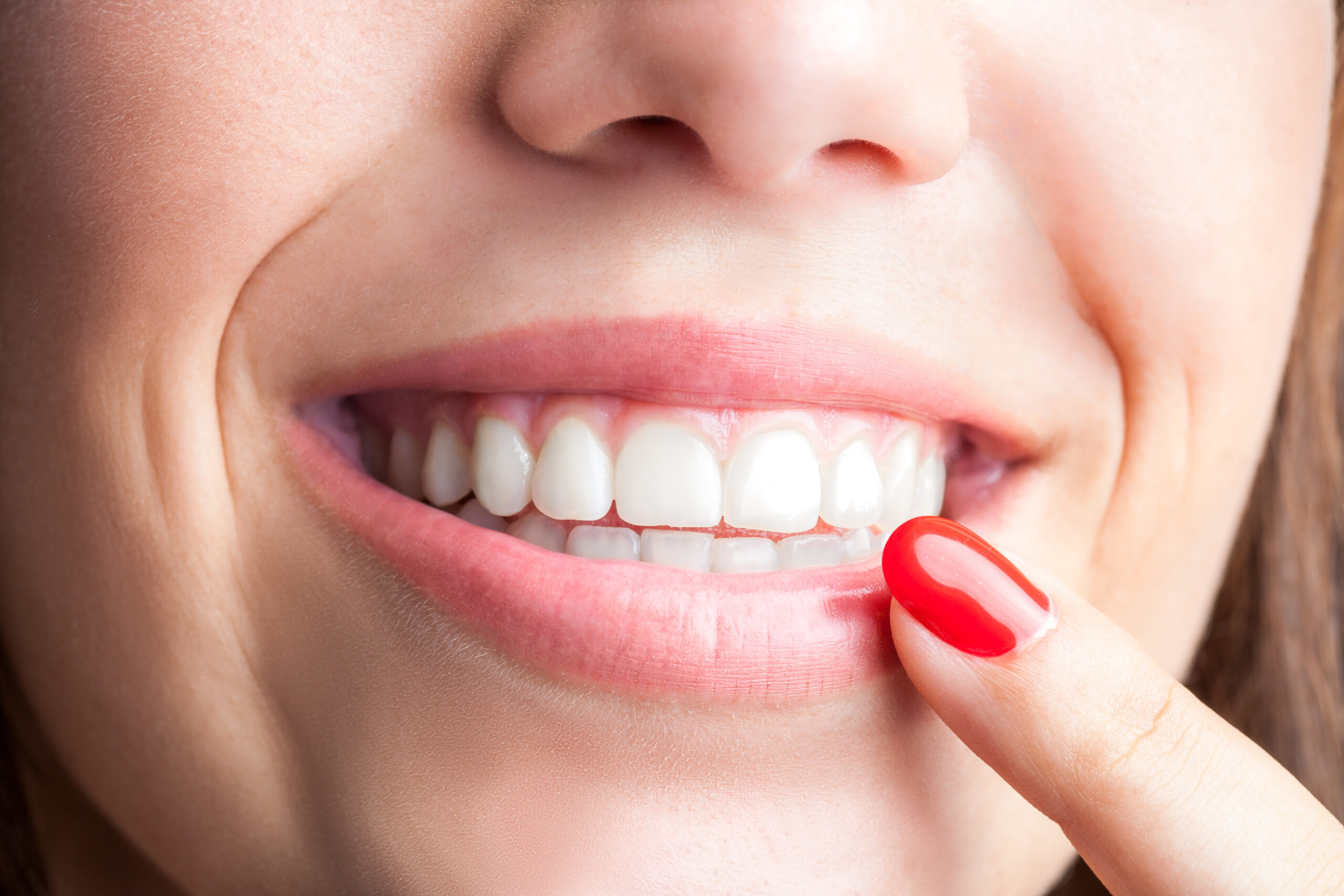
If you are planning any aesthetic restorations — such as veneers, ceramic crowns, or composite bonding — whitening should be completed first. The shade of a ceramic or composite restoration is selected to match your teeth at the time of fabrication, and it will not change with subsequent whitening. Whitening first ensures that your final restorations are matched to your brightest, intended shade.
We will help you time your whitening and restorative treatment in the right sequence if both are part of your plan.
When Whitening May Not Be Effective

Whitening works by chemically lightening the natural tooth structure — specifically the enamel and dentin. It does not affect the color of crowns, veneers, composite fillings, or any other dental restorations. If you have restorations on your front teeth, whitening may not produce an even result across your smile.
Certain types of intrinsic tooth staining — particularly tetracycline-induced discoloration — respond poorly or unpredictably to whitening. We will give you an honest assessment of your expected outcome at your consultation.
Treatment Process & Timeline
For take-home whitening, the process begins with a digital impression to fabricate your custom trays. The trays are typically ready within one to two weeks. At your delivery appointment, we’ll walk you through exactly how to use the gel and trays, how often to whiten, and what to do if you experience sensitivity. Results develop gradually over two to four weeks of daily use.
Individual response to whitening varies. We encourage patients to track their progress and return for a check-in if they have questions or concerns about their results.

Risks & What to Expect
Tooth sensitivity during whitening is common, particularly in the first week of use. This is usually temporary and resolves once whitening is paused or completed. If sensitivity is significant, we may recommend reducing the frequency of use or switching to a lower-concentration gel.
Whitening should not be used on teeth with active cavities, exposed root surfaces, or in patients with known issues at the crown margins of existing restorations.
Frequently Asked Questions
Will whitening affect my crowns or fillings?
No. Whitening only affects natural tooth structure. Crowns, veneers, and composite fillings will not change color. If you have visible restorations on your front teeth, we’ll discuss whether whitening is likely to produce an even result before recommending it.
How often do I use the take-home trays?
Typically once daily for one to two hours per session, over a period of two to four weeks — though this varies depending on the gel concentration. We provide detailed written and verbal instructions at your tray delivery appointment.
My teeth are sensitive. Can I still whiten?
Sensitivity does not necessarily rule out whitening. We can adjust the concentration of the whitening gel or the frequency of use to accommodate patients who are prone to sensitivity. In some cases, using a remineralizing product alongside whitening can help. Please discuss your sensitivity history at your consultation.
How long do whitening results last?
That depends on your diet and lifestyle. Coffee, tea, red wine, and tobacco all contribute to re-staining over time. With periodic touch-up whitening using your custom trays, the result can be maintained indefinitely.