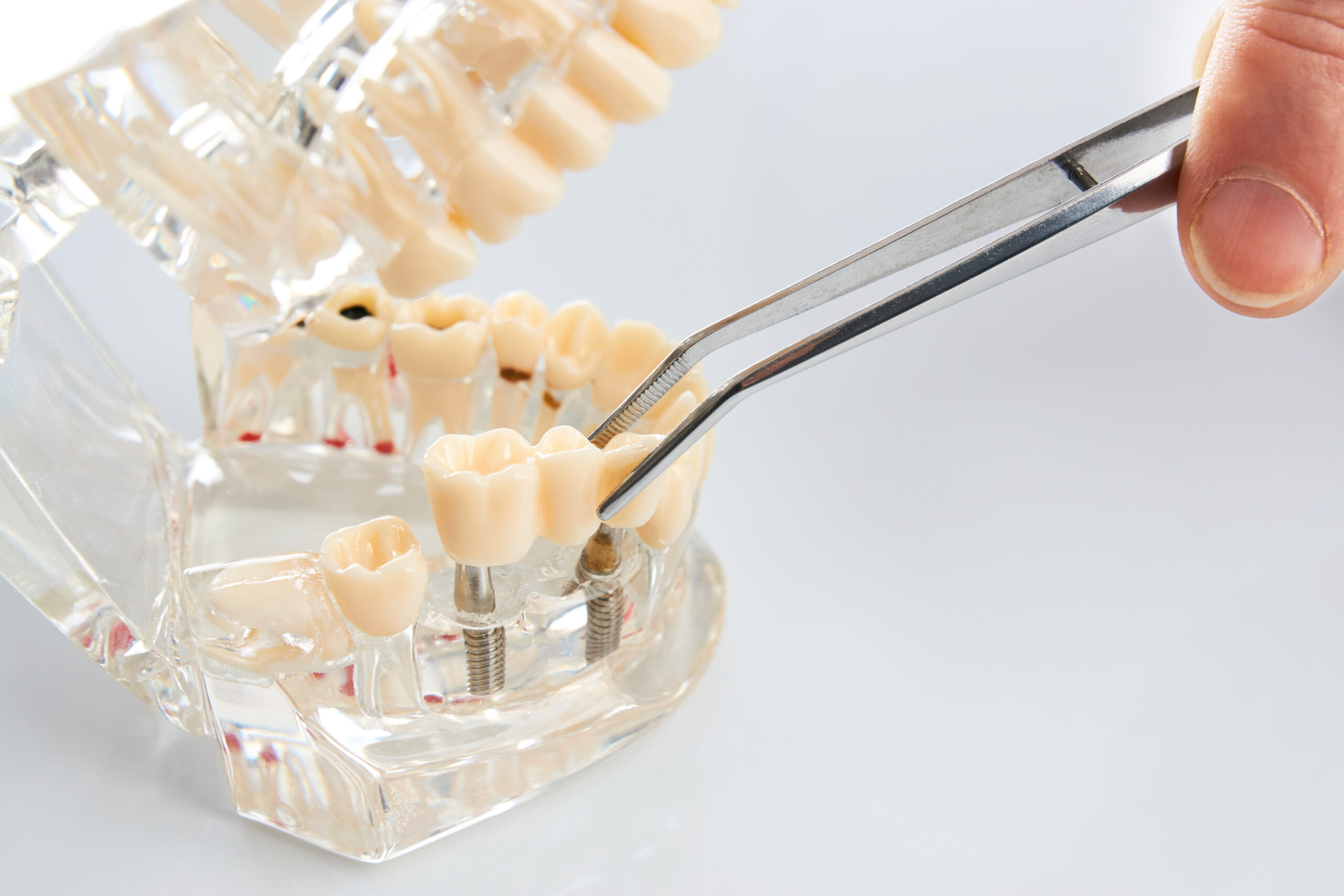
At Baseside Dental Office in Fussa, Tokyo, we offer All-on-X as a full-arch implant-supported restoration for patients who have lost most or all of their teeth. All-on-X involves placing multiple implants in the jawbone and attaching a fixed, full-arch prosthesis — a complete set of teeth that is firmly secured to those implants and does not come in and out like a denture.
The “X” in All-on-X reflects our approach to case planning: the number of implants is not fixed at four. It is determined by each patient’s bone volume, bone quality, bite forces, and prosthetic design requirements. We plan every case using CT imaging and a surgical guide, and we don’t deviate from that standard.
Table of Contents
What Makes Our All-on-X Treatment Different
CT Planning and Surgical Guides
Full-arch implant surgery is significantly more complex than single-tooth implant placement. Pre-surgical planning is not optional — it is the foundation of safe, predictable treatment.
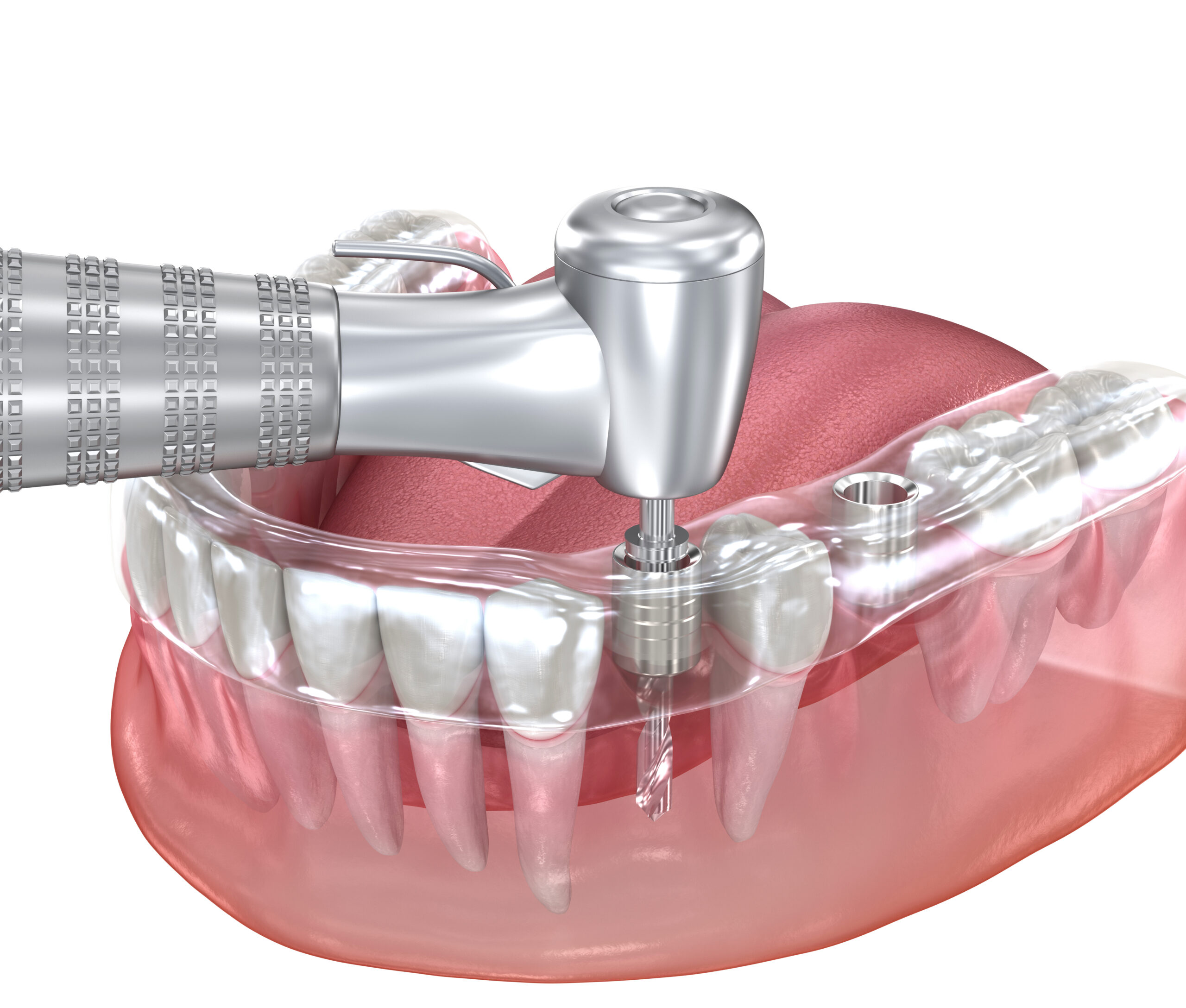
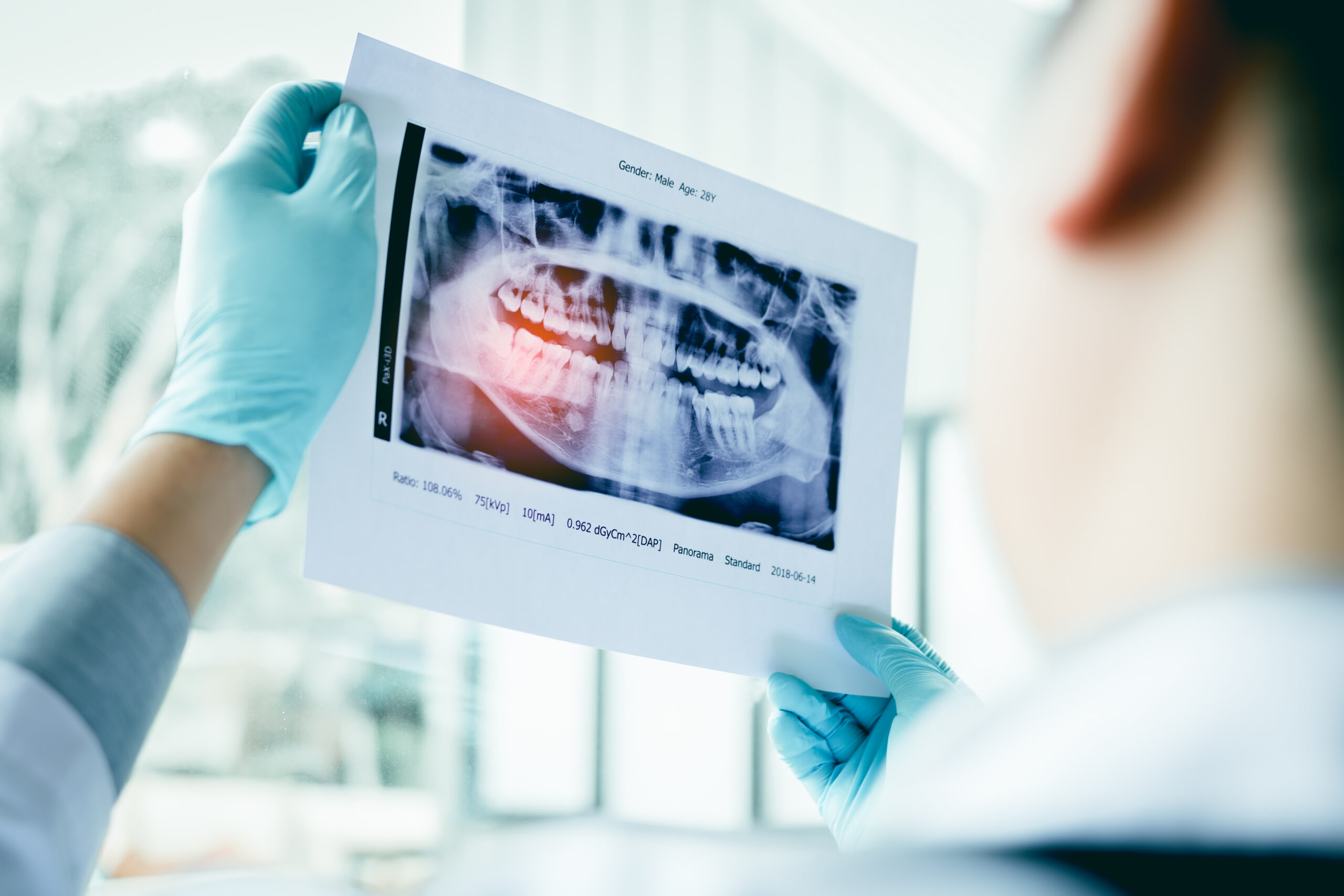
We use cone beam CT to evaluate the entire arch in three dimensions: bone volume and density at each planned implant site, proximity to the maxillary sinuses and inferior alveolar nerve, and the overall arch anatomy. Based on this data, we plan each implant’s position, angle, and depth before surgery begins.
A custom surgical guide is fabricated from this plan and used during surgery to direct placement with precision. This reduces intraoperative variability and improves the accuracy of implant positioning — which is particularly important when a fixed full-arch prosthesis must connect to multiple implants simultaneously.
Implant Number Determined by the Case, Not a Brand Name
“All-on-4” is a widely recognized term, but it implies a fixed number of implants that may or may not be appropriate for a given patient. We use the term “All-on-X” because the number of implants — the X — should be determined by clinical assessment, not a marketing convention.
For some patients, four implants provide adequate support for a well-designed full-arch prosthesis. For others, more implants are needed to distribute forces appropriately, particularly in patients with heavy bite forces or limited bone quality. We will tell you what the CT data shows and what we recommend — and we’ll explain why.
Periodontal Expertise for Long-Term Peri-Implant Health
Dr. Tanaka is a certified member of the Japanese Society of Periodontology and has specific training in peri-implant tissue management. In full-arch cases, where multiple implants are placed and the prosthesis covers significant tissue area, peri-implant health requires careful attention from the beginning.
Pre-surgical oral hygiene optimization, meticulous surgical technique, and structured post-surgical maintenance are all part of our All-on-X protocol. Peri-implantitis is a serious long-term risk in full-arch implant cases, and prevention starts on day one.
Staged Treatment Planning with Clear Communication
All-on-X is a multi-stage, multi-month process with significant cost and a meaningful surgical component. Patients who come to us for this treatment deserve a complete and honest picture of what the process involves — before they commit.
At your consultation, we review the CT data with you, discuss the number of implants we recommend and why, walk through the full treatment timeline, and present a detailed cost estimate. There is no pressure to decide at that appointment. We want you to take whatever time you need.
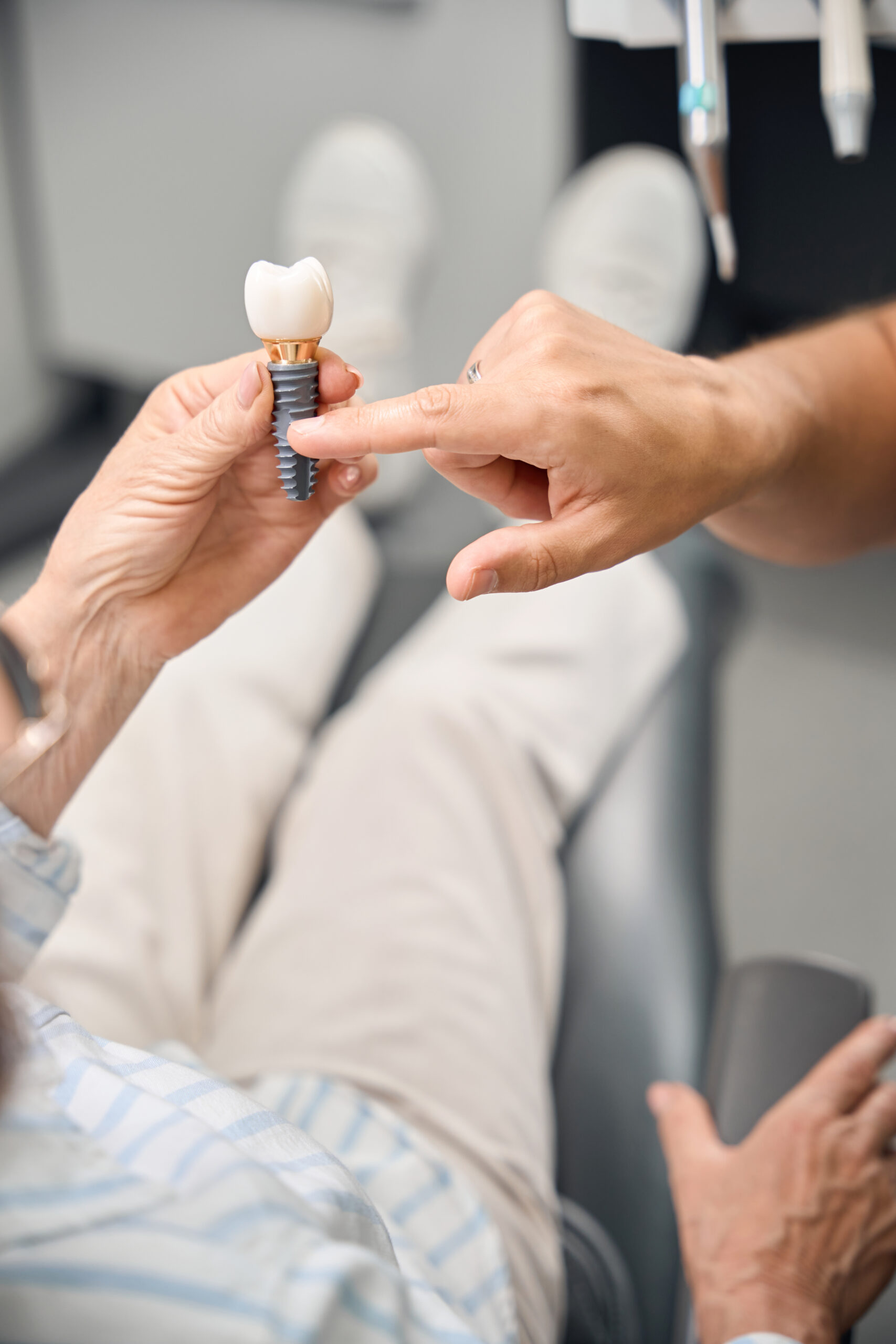

Who Is a Good Candidate for All-on-X?
All-on-X is most appropriate for patients who have lost most or all of their teeth in one or both arches, or for patients with failing dentitions who are facing the loss of most remaining teeth. Adequate jawbone volume and good general health are baseline requirements.
Systemic conditions that can compromise implant healing — including uncontrolled diabetes, osteoporosis, immunosuppressive therapy, and active smoking — require careful evaluation before proceeding. We discuss these factors openly at consultation.
Treatment Process & Timeline
| Comprehensive examination | Full CT, intraoral scan, diagnostic records |
| Treatment planning | Implant number, position, and prosthetic design |
| Surgery | Implant placement with surgical guide |
| Provisional prosthesis | Temporary restoration while implants heal |
| Osseointegration | Healing period — typically several months |
| Final prosthesis | Fabrication and delivery of permanent restoration |
The full treatment course typically spans 8–12 months. Cases requiring bone grafting may take longer. We outline the full expected timeline at your initial consultation.
Risks & What to Expect
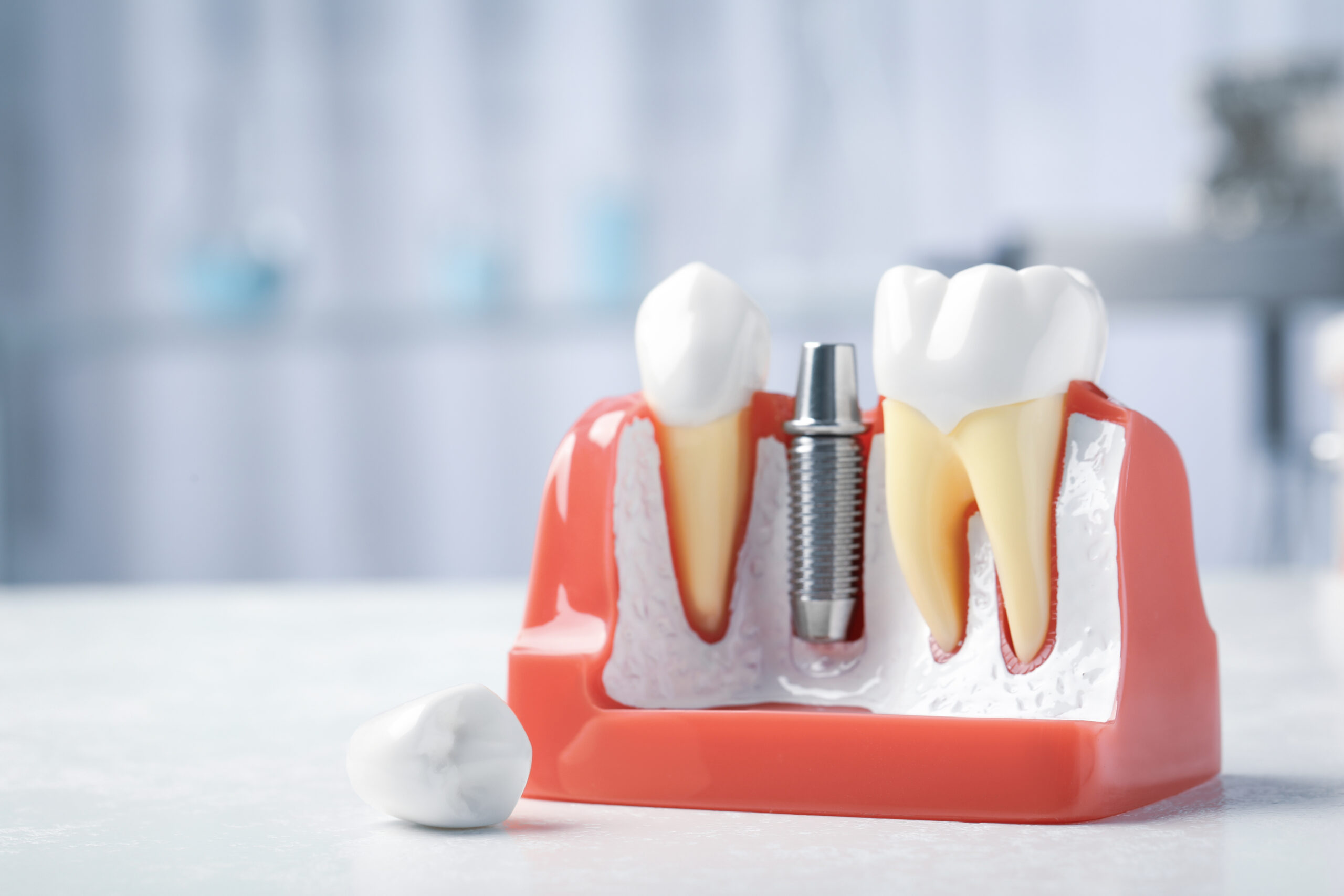
Full-arch implant surgery involves more extensive surgical trauma than single-tooth placement. Swelling, bruising, and discomfort in the days following surgery are expected and managed with prescribed medication. Serious risks — though uncommon — include nerve involvement, sinus complications, infection, and failure of one or more implants to integrate.
Long-term, peri-implantitis is the most significant risk. The space beneath a full-arch prosthesis accumulates bacteria and food debris that cannot be reached with a standard toothbrush. Patients must be committed to meticulous home cleaning (using water flossers and other adjuncts) and regular professional maintenance visits.
Frequently Asked Questions
What’s the difference between All-on-4 and All-on-X?
All-on-4 refers to a specific protocol using exactly four implants to support a full-arch prosthesis. We use the term All-on-X because the appropriate number of implants should be determined by your CT data — not by a preset protocol. For some patients four is sufficient; for others, more are needed.
Can I eat normally during treatment?
During the provisional phase, a soft diet is recommended. Hard, crunchy, and sticky foods should be avoided until the final prosthesis is in place. We’ll provide detailed dietary guidance at each stage of treatment.
I currently wear a full denture. Can I transition to All-on-X?
Possibly. This depends on the amount of bone that remains after tooth loss, which we assess using CT imaging. Many denture patients are good candidates; others may require bone grafting first. We may also recommend transitioning patients with complete dentures to implant-supported overdentures when appropriate.
What does maintenance look like after treatment is complete?
Cleaning beneath a full-arch implant prosthesis requires a water flosser or similar device — regular floss and brushing alone are not sufficient. Six-monthly professional maintenance appointments are essential to monitor the health of the peri-implant tissues and the integrity of the prosthesis.