
A dental crown is a full-coverage restoration that fits over a damaged or weakened tooth, protecting what remains and restoring both function and appearance.
Table of Contents
What Makes Our Crown Treatment Different
Evidence-Based Material Selection
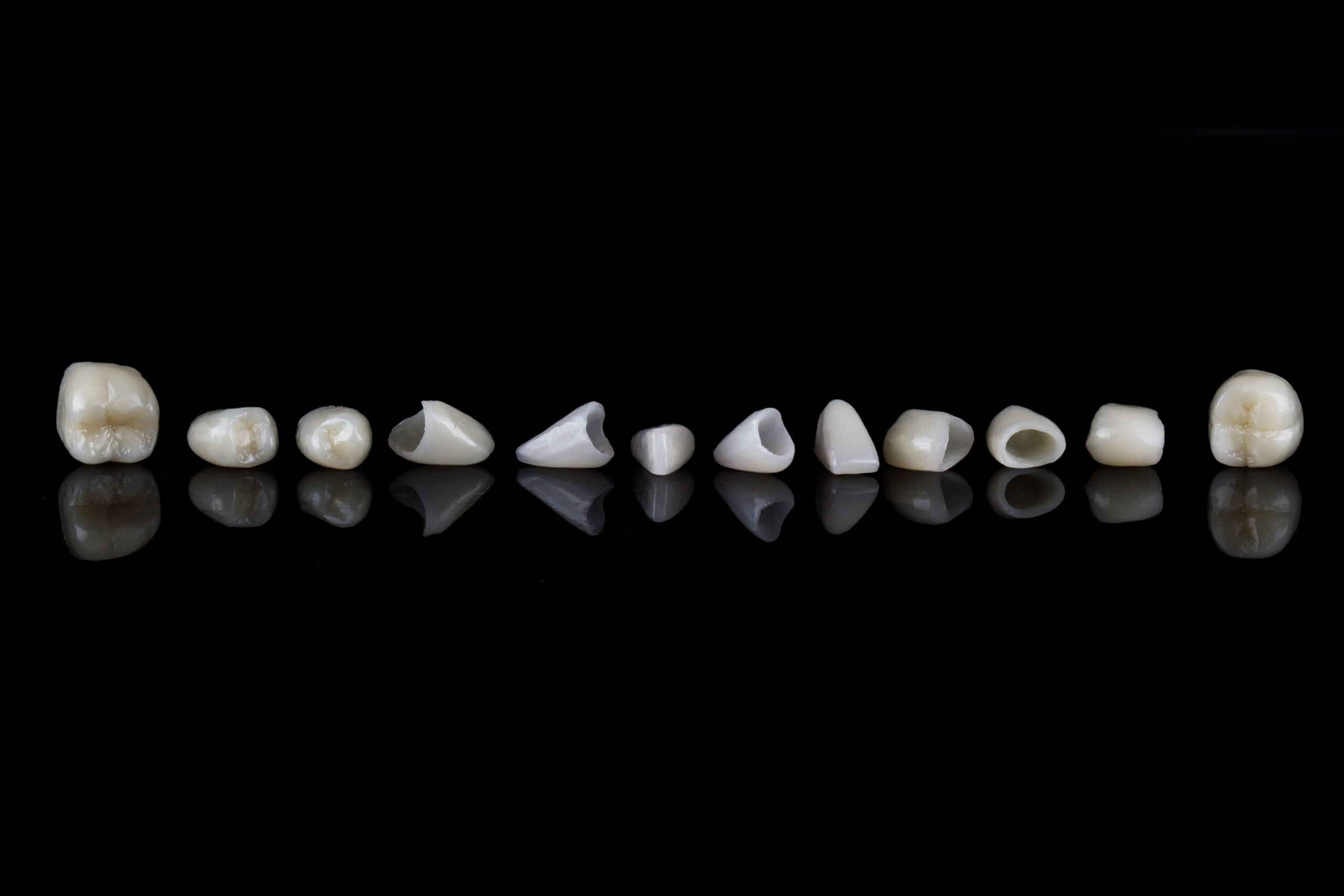
We mainly work with three crown materials at our practice — each chosen for specific clinical situations. E.max (lithium disilicate glass-ceramic) offers outstanding aesthetics, with translucency and color depth that closely mimics natural tooth enamel. Zirconia provides excellent strength across a wide range of indications, including posterior teeth that bear heavy chewing forces. Gold remains one of the most biocompatible and durable crown materials available, and we recommend it readily for patients who prioritize longevity over aesthetics in back teeth. Other materials may also be available depending on your individual situation. We carefully select the option that is most appropriate for you and will explain the reasons behind our recommendation.
The right crown material depends on more than personal preference. We evaluate the tooth’s position in the arch, the amount of remaining tooth structure, the condition of the opposing teeth, and the forces your bite places on that area. We also use CT and digital scans to assess the underlying bone and root anatomy.
Choosing the wrong material — for example, placing a thin ceramic crown in a high-stress posterior area — is a setup for failure. Our goal is to match material properties to clinical reality so that your crown performs well over the long term.

Clear Communication and Shared Decision-Making
Crown treatment involves permanent changes to your tooth — it will be prepared (reduced in size) and the crown will cover it indefinitely. We don’t take that lightly. Before beginning treatment, we walk through intraoral photos and scan data with you, explain what the preparation will involve, and make sure you understand the expected lifespan and limitations of each material option.
If something is unclear, please ask. We would rather spend extra time explaining than have you proceed without full understanding.
When Is a Crown Needed?
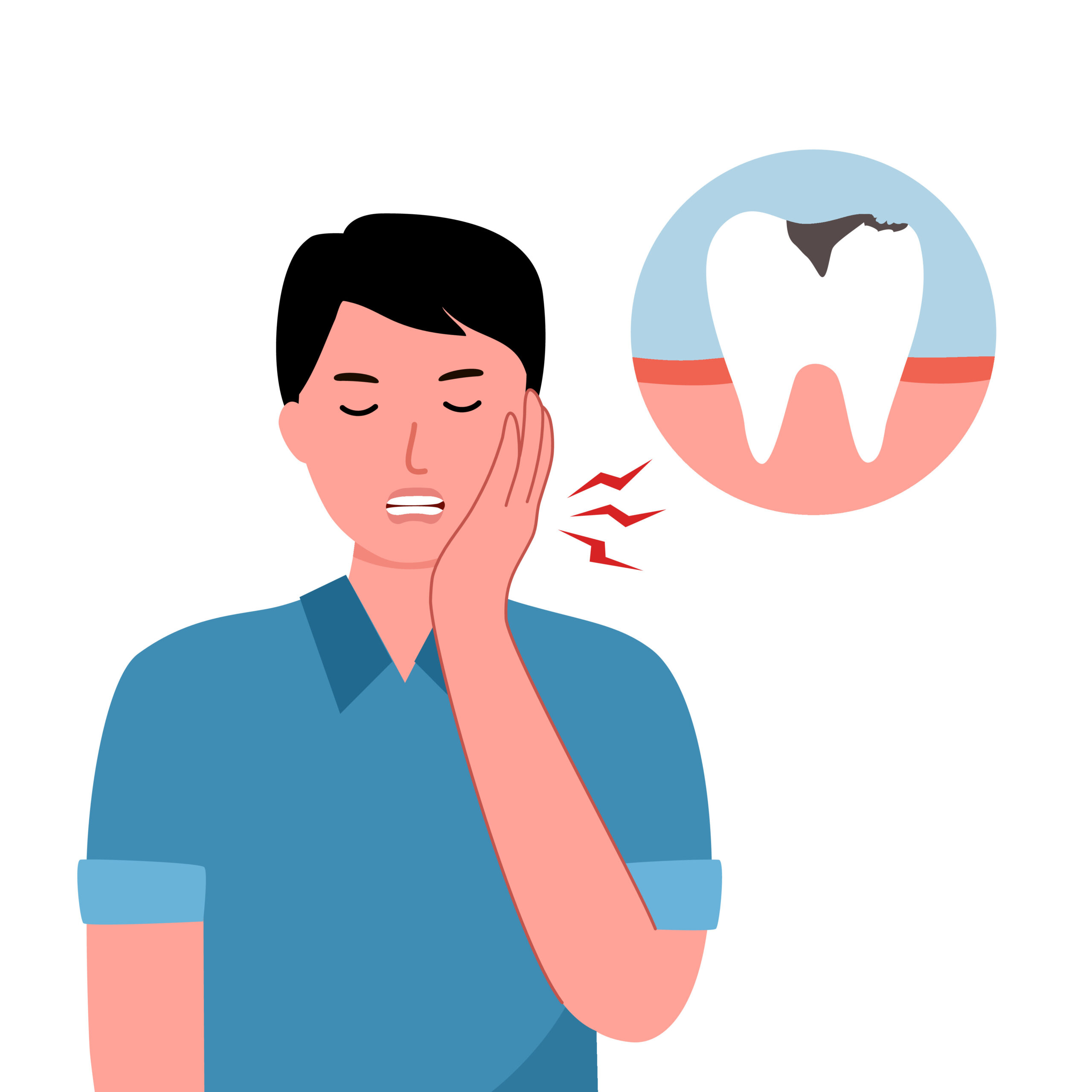
Crowns are typically recommended in the following situations: when decay is too extensive to be restored with a filling; when a tooth has fractured and significant structure has been lost; when a tooth has undergone root canal treatment and requires protection from fracture; or when an existing crown has failed and needs replacement.
Patients who wish to replace old metal or amalgam restorations with ceramic alternatives may also be candidates for crown treatment, depending on the size and condition of the existing restorations.

Treatment Process & Timeline
Crown treatment typically requires two appointments over two weeks. At the first visit, the tooth is prepared (shaped to receive the crown) and a mold is taken. A temporary crown is placed to protect the tooth while the permanent crown is fabricated by our dental laboratory.
At the second appointment, the permanent crown is tried in, any adjustments are made, and it is cemented into place. If a provisional phase is needed — for example, to verify aesthetics or bite before finalizing — a third appointment may be scheduled.
Risks & What to Expect
After crown placement, some temporary sensitivity is normal and usually resolves within days to weeks. If the pain does not resolve, root canal treatment may be necessary to eliminate the underlying source of the pain. Longer-term risks include gum recession at the crown margin, recurrent decay at the tooth-crown interface, and — in ceramic crowns — fracture under excessive force.
Patients who grind or clench their teeth are at elevated risk for crown fracture. We recommend a custom night guard for these patients.
Frequently Asked Questions
How do I choose the right crown material?
We’ll guide you through the decision based on the tooth’s location, the condition of the tooth structure, your bite, and your priorities. Tell us whether you value aesthetics, durability, or cost most — and we’ll explain which material makes the most sense for your situation.
How long will my crown last?
Crown longevity depends on how the patients use it. A crown is still a dental material, and like any material, it may fracture or fail if subjected to excessive or improper forces. Other factors include material selection, occlusal forces, oral hygiene, and how consistently you attend maintenance appointments. We do not offer warranties, but we monitor all restorations at your recall visits and address issues as they arise.
How long will I have a temporary crown?
Typically two to four weeks, while your permanent crown is being fabricated. Please treat your temporary crown gently — avoid very sticky or hard foods, and let us know if it comes loose before your next appointment.
Will there be pain after the procedure?
Some sensitivity is expected after tooth preparation. This usually settles as the tooth adjusts to the crown. As mentioned above, there are cases in which the pain does not resolve after several days. In such situations, root canal treatment may be necessary to eliminate the source of the pain. If you experience significant or prolonged pain, please contact us.