
At Baseside Dental Office in Fussa, Tokyo, we perform tooth extractions — from routine single-tooth removals to the extraction of all four wisdom teeth simultaneously — and offer sedation options for patients who experience significant anxiety about dental treatment.
For complex cases — including deeply impacted wisdom teeth — we bring in an oral surgery specialist. Sedation options include nitrous oxide (laughing gas) for mild to moderate anxiety, and IV (intravenous) sedation administered by a board-certified anesthesiologist for patients who require deeper relaxation.
For patients with extensive allergies or contraindications to sedation, we do not proceed with IV sedation at our practice. Instead, we provide a referral to an appropriate specialist facility.
Table of Contents
What Makes Our Approach Different
Specialist Collaboration for Complex Extractions
Dr. Tanaka handles routine extractions and straightforward wisdom tooth removals. For cases involving deeply impacted teeth, close proximity to the inferior alveolar nerve, or situations requiring full-arch removal of all four wisdom teeth in a single procedure, we schedule an oral surgery specialist to perform the procedure at our facility.
This means patients can access a higher level of surgical expertise without having to navigate a separate referral process. We coordinate the appointment, review the CT imaging with the specialist in advance, and remain involved in your pre- and post-operative care.
Before any extraction, we review the relevant imaging — including CT scans where indicated — to assess the anatomy, difficulty, and expected recovery. We will give you a clear and honest estimate of what to expect.

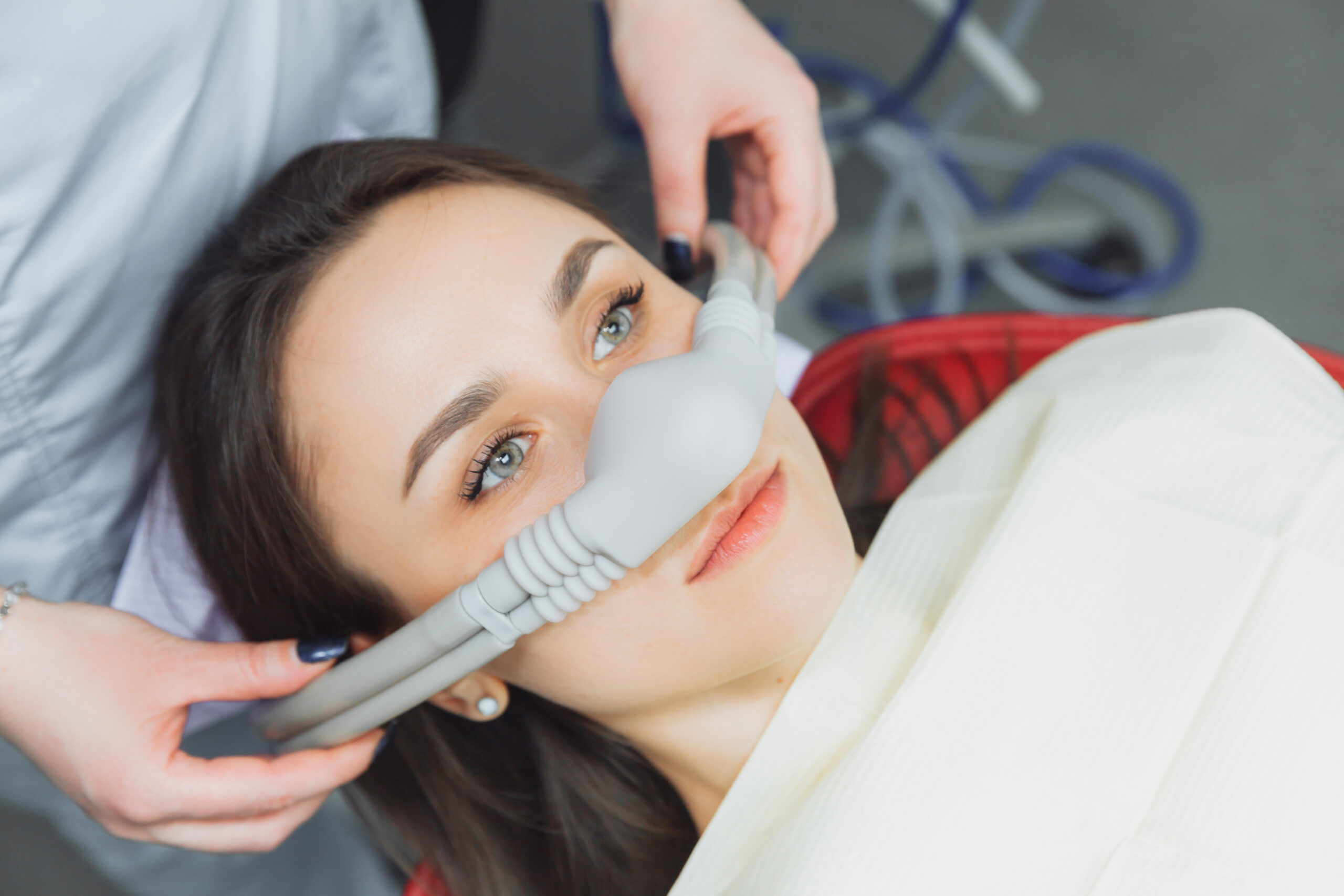
Nitrous Oxide Sedation
Nitrous oxide — commonly known as laughing gas — is administered through a nasal mask and produces a state of mild relaxation and mild analgesia. Patients remain fully conscious and responsive throughout the procedure, and the effects dissipate within minutes of removing the mask.
Nitrous oxide is well suited for patients with moderate dental anxiety, or for those who simply want to feel a little calmer during a procedure they find stressful. It is combined with local anesthesia — the nitrous does not eliminate the need for numbing; it reduces anxiety and enhances comfort.
IV Sedation with a Board-Certified Anesthesiologist
For patients who require deeper sedation — such as those with severe dental phobia, patients undergoing lengthy surgical procedures, or patients who strongly prefer to have little or no memory of the treatment — we offer IV sedation administered by a board-certified anesthesiologist who attends the appointment specifically for this purpose.
IV sedation produces a deeper, more consistent level of sedation than nitrous oxide. Most patients have little to no memory of the procedure and feel as though the appointment passed very quickly. Vital signs are monitored continuously throughout.
Because an anesthesiologist is present for all IV sedation cases, patients benefit from the same level of physiological monitoring they would receive in a hospital setting — while remaining in a familiar dental environment.


Patient Safety and Eligibility Screening
IV sedation is not appropriate for all patients. Before proceeding with any sedation, we conduct a thorough medical and allergy review. Patients with multiple drug allergies, significant cardiovascular or respiratory conditions, or other contraindications to sedation medications will be referred to a more specialized facility rather than treated at our practice.
We take this responsibility seriously. The goal is to ensure that every patient who receives sedation at our office is an appropriate candidate for that level of care.
About Tooth Extractions
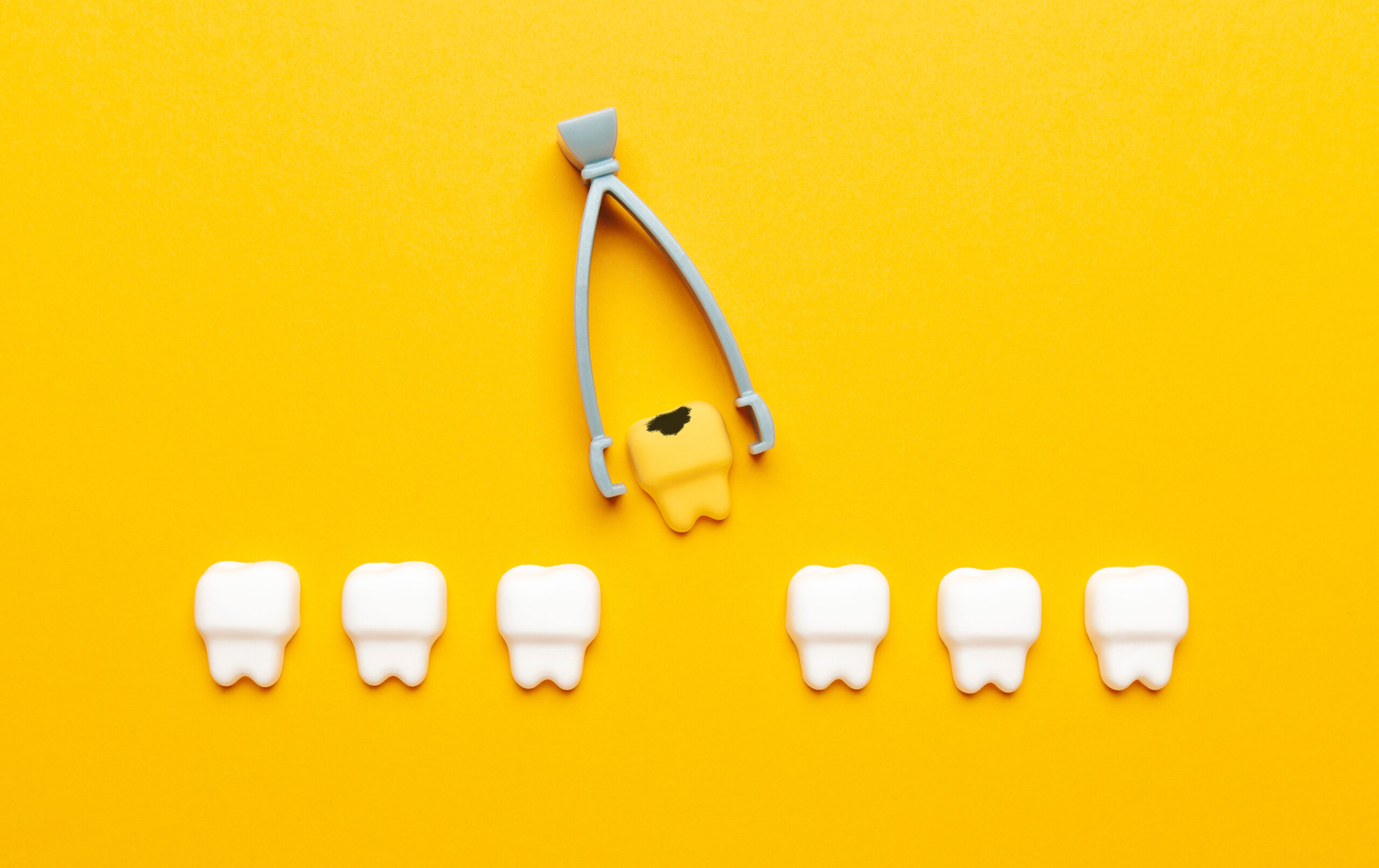
Extraction may be recommended for teeth affected by severe decay, advanced periodontitis, root fracture, failed root canal treatment, or as part of an orthodontic treatment plan. We always confirm that extraction is genuinely necessary before recommending it — using CT imaging, X-rays, and clinical photographs.
For wisdom teeth, we assess impaction depth, proximity to nerves and sinuses, root anatomy, and the likelihood of future problems before making a recommendation. Not all wisdom teeth need to be removed — and we won’t recommend extraction unless we have a clear clinical reason to do so.
After extraction, a blood clot forms in the socket and serves as the foundation for healing. Post-operative instructions — covering diet, activity, oral hygiene, and signs of complications — are provided in detail at your appointment.
About Nitrous Oxide Sedation
Nitrous oxide is delivered through a small nasal hood placed over your nose. Within a few minutes, most patients notice a mild feeling of relaxation, light-headedness, and reduced anxiety. You remain awake, aware, and able to communicate throughout.
At the end of the procedure, the nitrous is turned off and you breathe pure oxygen for a few minutes. Most patients feel back to normal within 15–20 minutes and can drive home after the appointment — though this depends on your individual response.
Note: Nitrous oxide is not appropriate for patients who are pregnant, have significant respiratory conditions, or have a vitamin B12 deficiency. Please disclose all relevant medical history before your appointment.
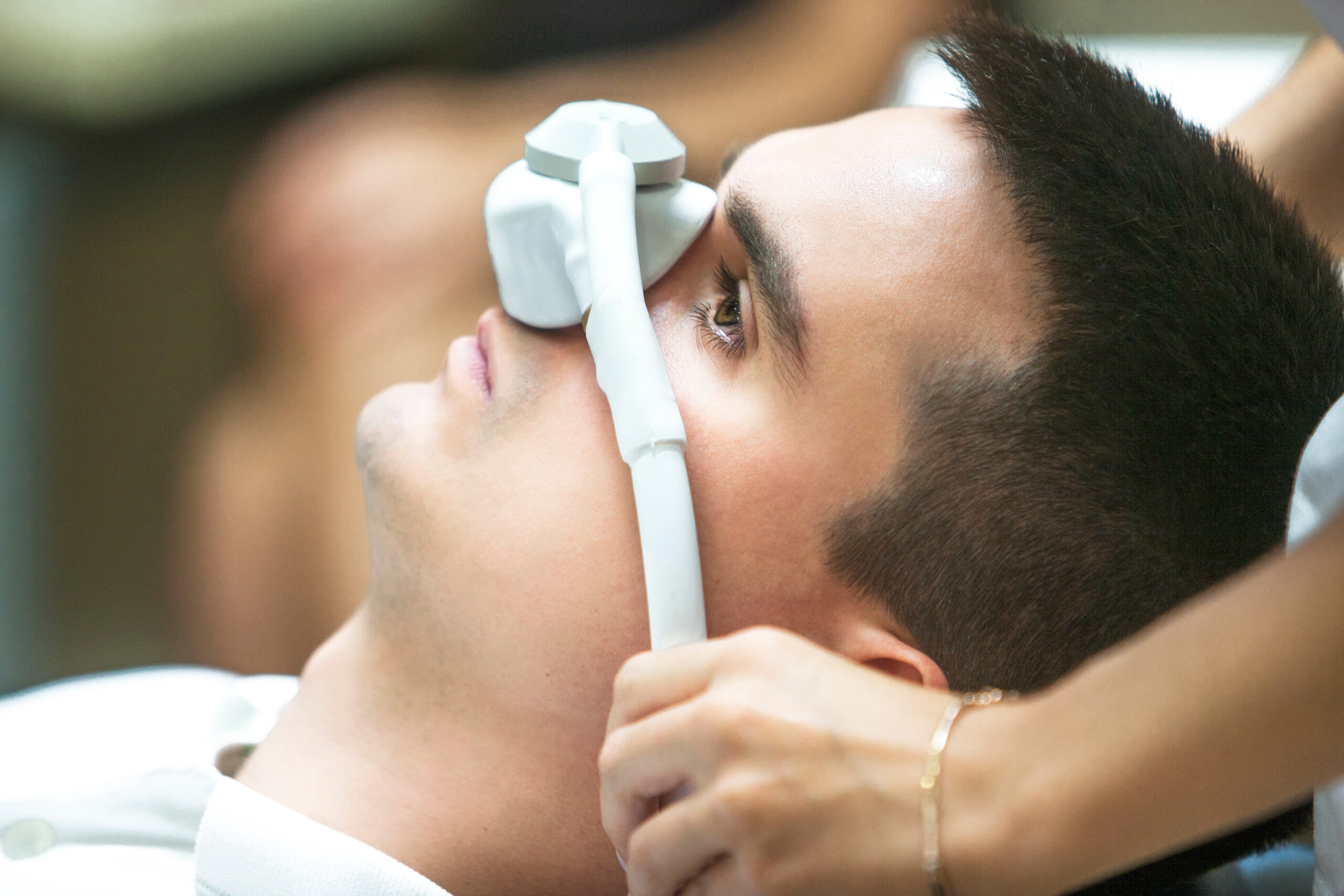

About IV Sedation
IV sedation is administered through a small cannula placed in a vein, typically in the back of the hand or forearm. Sedation medications are titrated to achieve the desired level of relaxation while maintaining airway patency. You will be sleepy and unlikely to retain memory of the procedure.
A board-certified anesthesiologist monitors your vital signs — blood pressure, oxygen saturation, heart rate, and respiratory rate — throughout the procedure. After the appointment, you will rest at our office until you are sufficiently recovered to be discharged. You will not be able to drive following IV sedation — please arrange transport in advance.
Eligibility and Pre-Treatment Information
Before receiving sedation at our practice, please provide us with the following information:
- A complete list of current medications, including supplements
- A complete allergy history — drug allergies in particular
- Any relevant medical conditions, including cardiac, pulmonary, hepatic, or hematologic diagnoses
- Whether you have previously received sedation and how you responded
If our anesthesiologist determines that IV sedation cannot be safely administered at our facility, we will arrange a referral and assist with the transition of your care.

Frequently Asked Questions
Can all four wisdom teeth be removed at once?
Yes. We can schedule all four wisdom teeth for simultaneous removal with our oral surgery specialist. We review CT imaging in advance and discuss what the procedure involves and what recovery looks like.
Can I drive myself home after sedation?
After nitrous oxide, most patients are cleared to drive within 15–20 minutes. After IV sedation, you cannot drive for the remainder of the day — you must arrange for someone to take you home.
What is the difference between nitrous oxide and IV sedation?
Nitrous oxide produces mild relaxation while you remain fully awake and in control. IV sedation produces a deeper level of sedation with significant amnesia — most patients have little or no memory of the appointment. The right choice depends on the procedure and your level of anxiety.
I have allergies to multiple medications. Can I still be sedated?
That depends on which medications you are allergic to. Our anesthesiologist will review your allergy history and make a determination. If IV sedation cannot be safely administered at our practice, we will arrange a referral to a facility better equipped to manage your specific situation.
Will I need local anesthesia even with sedation?
Yes. Sedation reduces anxiety and produces amnesia — it does not block pain. Local anesthesia is always used in addition to sedation to ensure the treatment site is numb.