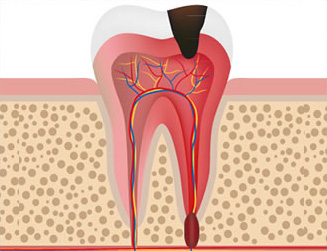
At Baseside Dental Office, we perform root canal treatment using a dental operating microscope and nickel-titanium (NiTi) rotary files. Root canal treatment — also called endodontic treatment — is a procedure to remove infected or damaged tissue from inside a tooth, allowing the tooth to be preserved rather than extracted.
Our approach is guided by a straightforward principle: we only recommend root canal treatment when it is genuinely likely to succeed and serve the patient’s long-term interest. When it isn’t, we say so — and we help you explore the alternatives honestly.
Table of Contents
What Makes Our Root Canal Treatment Different
Microscope-Guided Precision
Root canals are narrow, curved, and often branching — structures that cannot be fully visualized with the naked eye. We use a dental operating microscope during root canal procedures, allowing us to see the canal system at high magnification and identify details that would otherwise be missed.
This level of visibility reduces the risk of leaving infected tissue or fracture line behind or overlooking additional canals, both of which are common causes of treatment failure. Every step of the procedure — from locating canal openings to final obturation — is performed under magnification.

NiTi Rotary Files
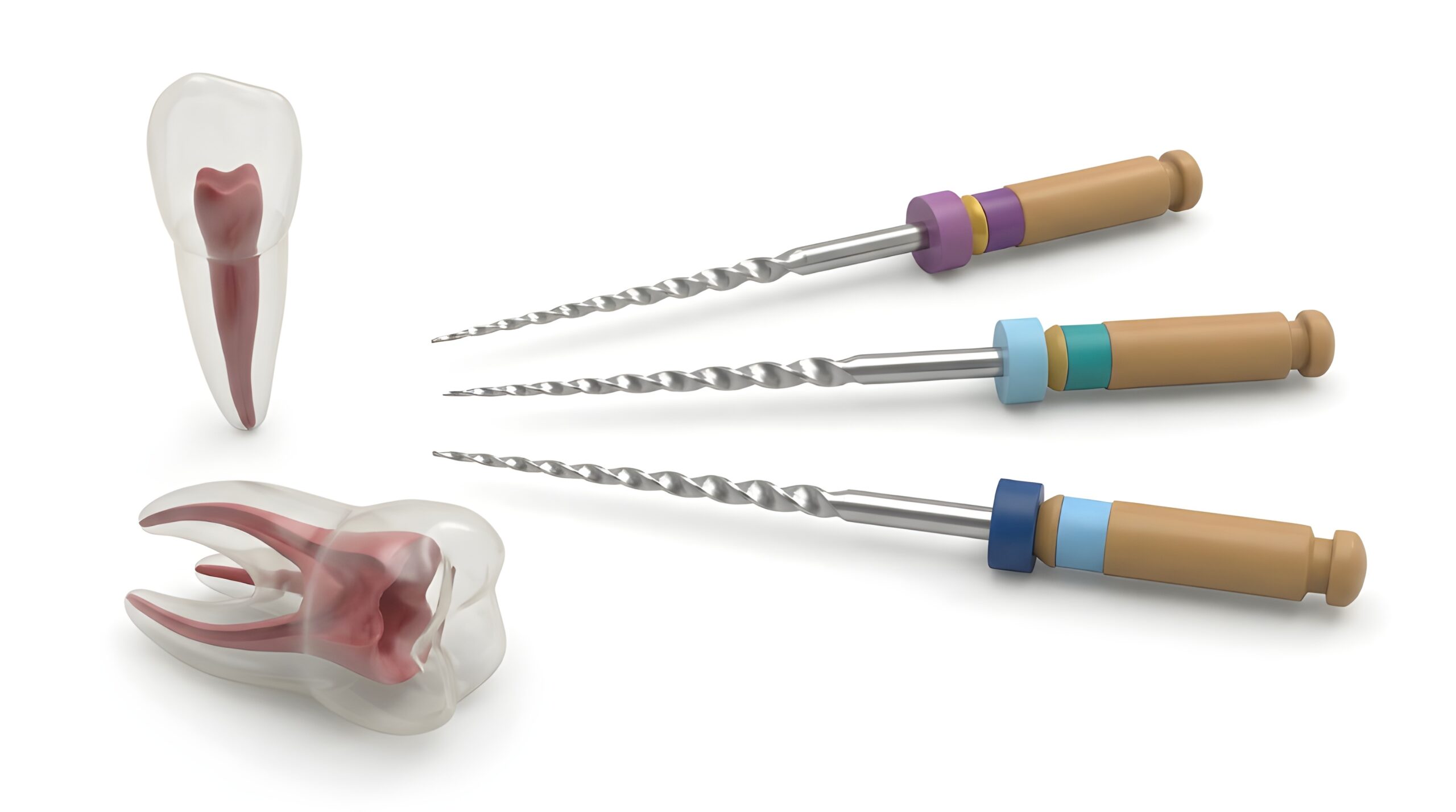
We use nickel-titanium (NiTi) rotary instruments to shape and clean the root canals. NiTi files are significantly more flexible than traditional stainless steel files, which means they can follow the natural curves of a canal without straightening or perforating it. Although nickel-titanium (NiTi) files are more flexible than traditional stainless steel files, they are also more prone to separation within the canal during use. Therefore, we use them carefully and selectively depending on the clinical situation.
Rubber Dam Isolation
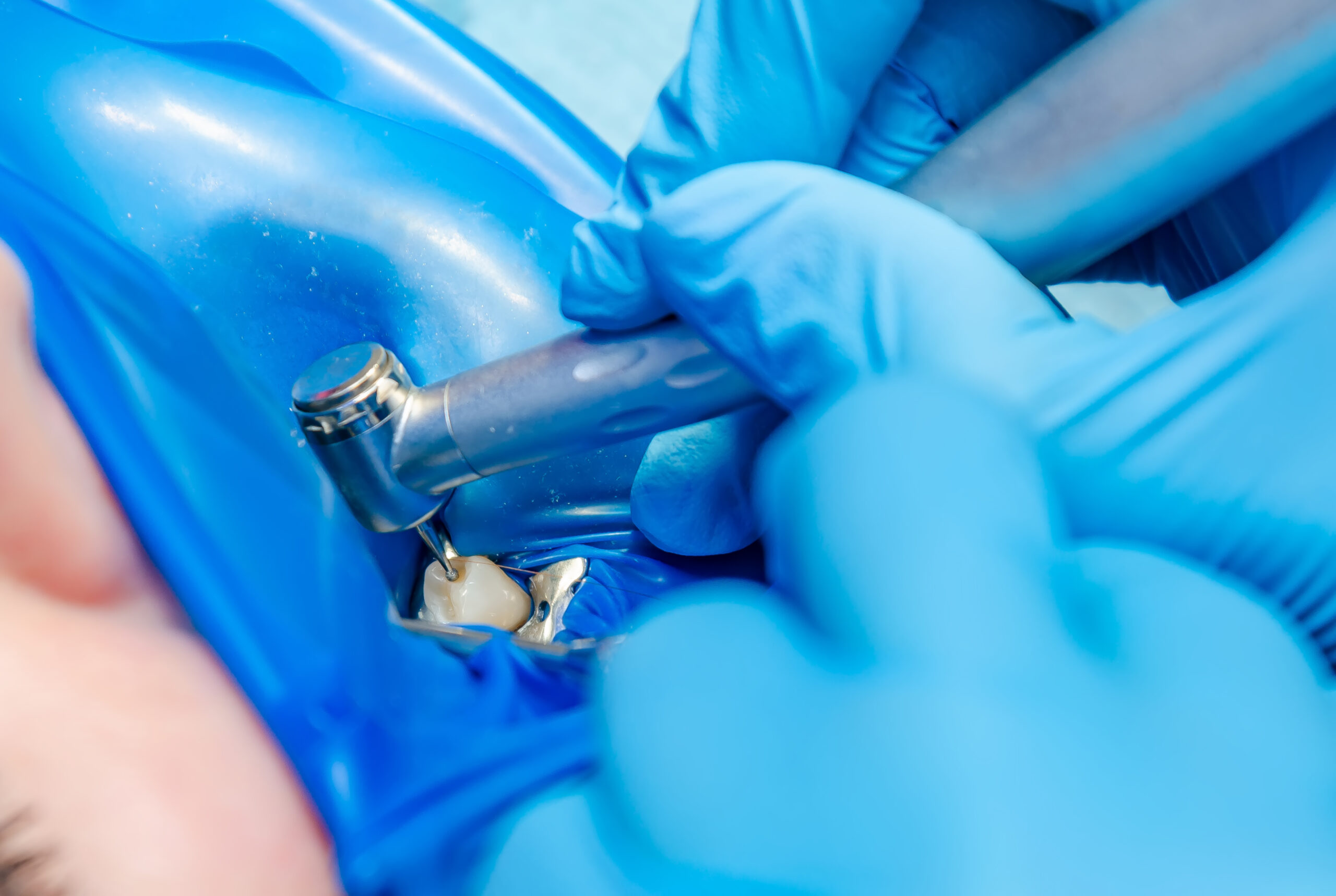
Maintaining a bacteria-free environment during root canal treatment is critical to success. We use a rubber dam — a thin sheet of rubber placed over the tooth — to isolate the treatment site from saliva and oral bacteria throughout the procedure.
Rubber dam isolation is considered the standard of care in endodontics, but it is not universally practiced. At our office, it is non-negotiable. It protects the canal from recontamination during treatment and improves visibility for the clinician.
Note: If you have a latex allergy or nasal problems, please let us know before the procedure.
Honest Case Selection
We only recommend root canal treatment when we genuinely believe it will benefit the patient. Some teeth — due to tooth fracture, severe bone loss, inadequate remaining tooth structure, or systemic factors — are poor candidates for root canal treatment even if the procedure itself is technically feasible.
In those cases, we will tell you clearly, explain why, and present the full range of alternatives — including extraction and implant placement, if appropriate. Our goal is always your long-term oral health, not performing a procedure for its own sake.
If you still wish to proceed with root canal treatment, we would be happy to refer you out to an endodontist.
When Root Canal Treatment Is Needed
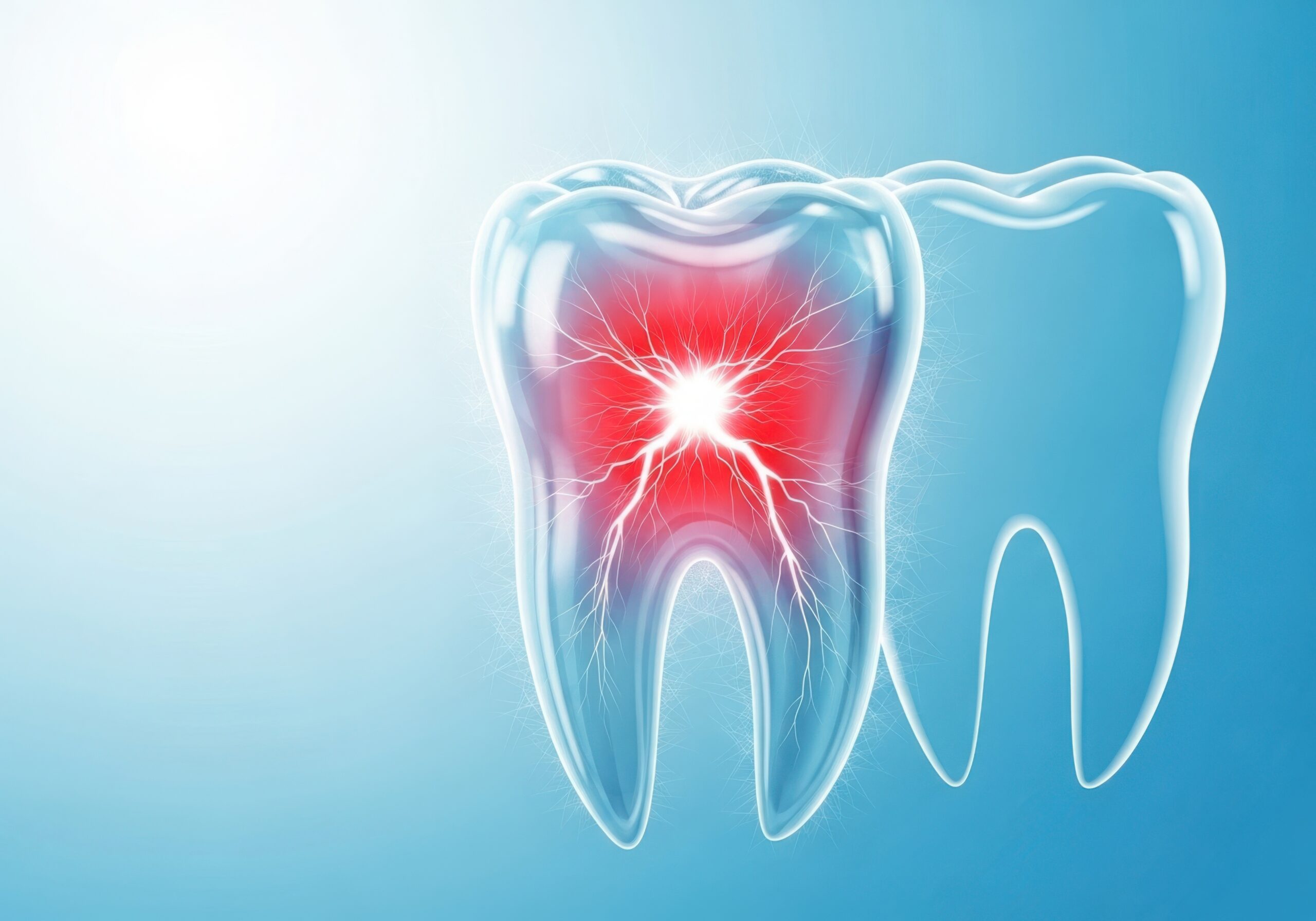
Root canal treatment is typically indicated when infection or irreversible damage has reached the pulp — the soft tissue inside the tooth that contains nerves and blood vessels. Common signs include spontaneous toothache, prolonged sensitivity to hot or cold, swelling or tenderness near the tooth, or a dark discoloration of the tooth.
Root canal treatment is generally not considered an elective procedure. Once symptoms develop, treatment is typically recommended in order to prevent the condition from worsening.
In some cases, a tooth may require root canal treatment even without obvious symptoms — for example, when an X-ray or CT scan reveals a periapical lesion (infection at the tip of the root) that has developed silently. We assess each case using CT imaging and clinical findings before making any recommendation.
Re-treatment of previously root-filled teeth that have become reinfected is also something we address at our practice. However, while initial root canal treatment has a success rate of over 90%, the success rate for root canal retreatment decreases to approximately 60–70% on average. In order to recommend the most predictable treatment option, we may suggest alternative treatments that could ultimately save you time and money.
Treatment Process & Timeline
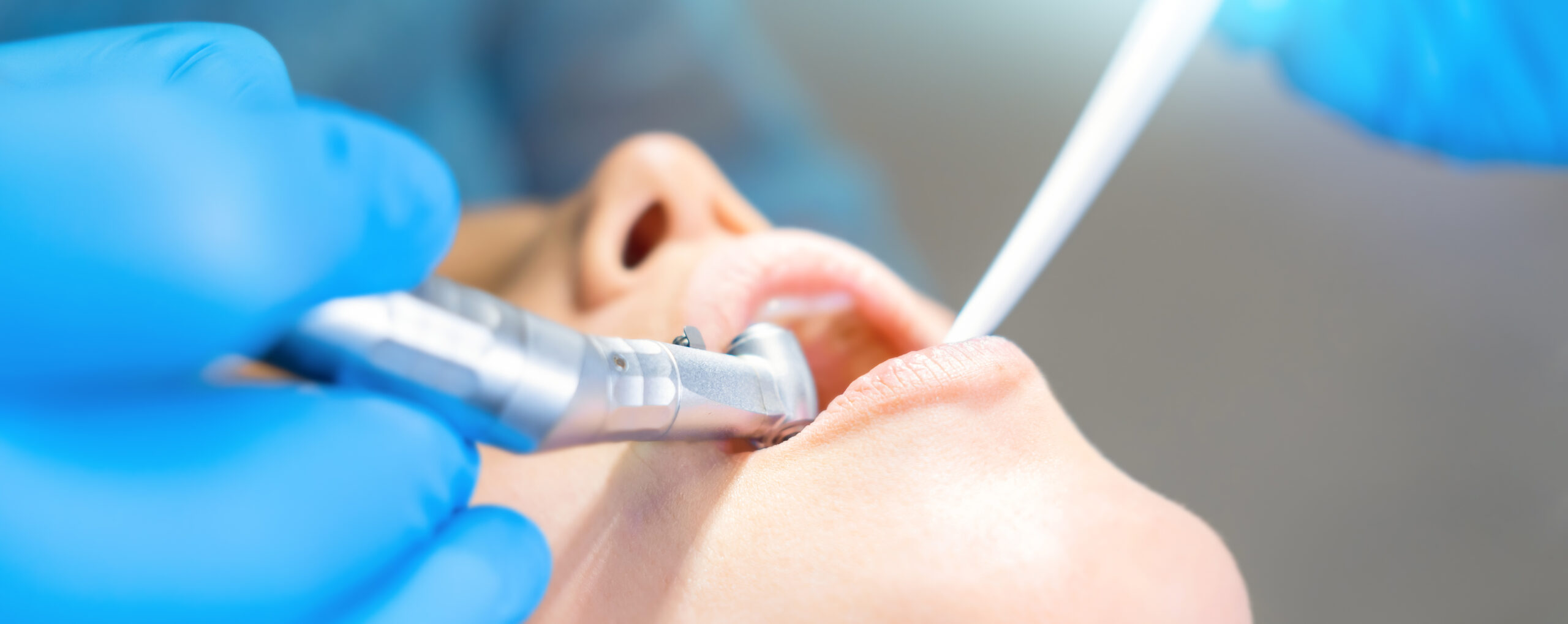
Most cases are completed in one to three appointments. At the first visit, we remove the infected or inflamed pulp tissue, shape and disinfect the canals, and place a temporary seal. At a follow-up appointment, we confirm the tooth has responded appropriately and proceed with permanent canal obturation (filling).
Following root canal treatment, most teeth require a crown to protect the remaining tooth structure and restore function. We will discuss the full treatment plan — including the crown — at your initial consultation.
Risks & What to Expect
Some post-treatment soreness is normal and typically resolves within a few days. In rare cases, persistent symptoms or re-infection may require re-treatment or, in difficult anatomy, referral to an endodontic specialist.
In some cases, an instrument used during root canal treatment may separate within the canal and become impossible to retrieve, or the tooth itself may fracture during the procedure. Should such complications arise, we will carefully evaluate the situation and discuss with the patient whether to proceed with treatment or consider alternative treatment options.
Teeth that have undergone root canal treatment no longer have a vital pulp and may become more brittle over time. Crown placement is usually recommended to protect against fracture.
Frequently Asked Questions
How many appointments does root canal treatment take?
Typically one to three appointments, depending on the complexity of the case and how the tooth responds. We’ll give you a clearer estimate after your initial examination.
Is root canal treatment painful?
Treatment is performed under local anesthesia and should not be painful. Some soreness after the appointment is common and usually resolves within a few days. We will prescribe antibiotics and pain medication as needed, depending on the severity of your symptoms.If you experience significant or prolonged discomfort, please contact us.
Will I need a crown after root canal treatment?
In most cases, yes. A tooth that has had root canal treatment is structurally weaker, and a crown helps protect it from fracture. We’ll discuss the specifics as part of your treatment plan.
Can a previously treated tooth be re-treated?
Yes. We assess re-treatment cases using CT imaging to determine whether re-treatment is feasible and likely to succeed. We’ll be straightforward with you about the prognosis.
What if the tooth cannot be saved?
If we determine that root canal treatment is unlikely to provide a stable long-term outcome, we will explain that clearly and discuss alternatives — including extraction and, where appropriate, implant placement.